
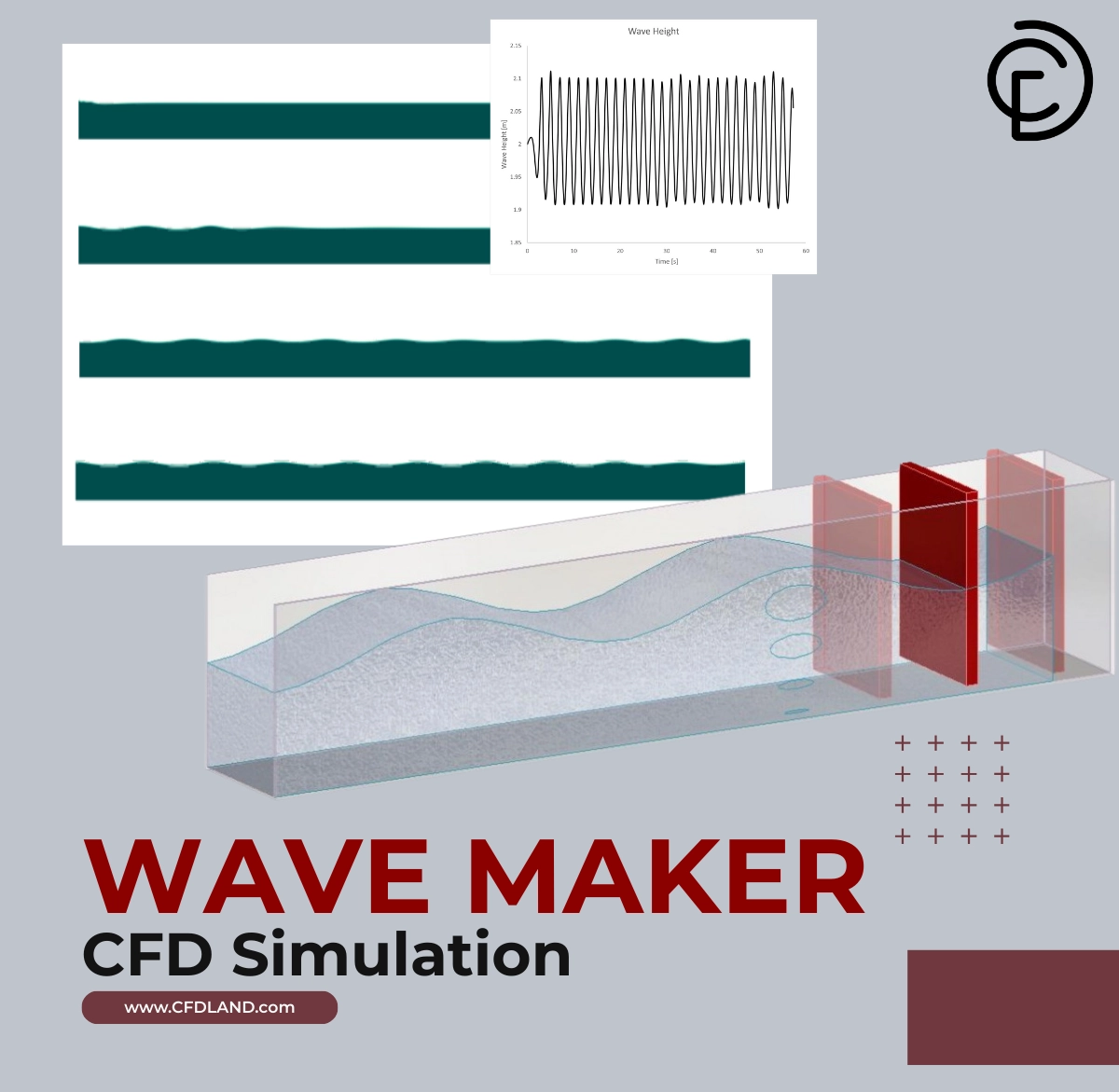
In marine engineering, we need to test how ships and oil rigs behave in the ocean. To do this safely, we use large water tanks with a device called a Wave Maker. This machine has a paddle that moves back and forth to create waves, just like in the real sea. However, designing this paddle is difficult. If the motion is wrong, the waves will be incorrect. This is why we use Wave Maker CFD Simulation.
This tutorial shows how to model a Piston-Type Wave Maker using ANSYS Fluent. It is a special type of simulation because the parts move. We use a powerful technique called Dynamic Layering Mesh. This allows the grid to stretch and shrink as the paddle moves. We also use the Volume of Fluid (VOF) model to see the sharp line between the air and water. This Wave Maker fluent simulation helps us check the wave quality before building an expensive physical tank. For more projects with moving parts, please explore our Dynamic Mesh tutorials.
- Reference [1]: Yan, Kaicheng, et al. “Numerical Comparison of Piston-, Flap-, and Double-Flap-Type Wave Makers in a Numerical Wave Tank.” Journal of Marine Science and Engineering12 (2025): 2273.
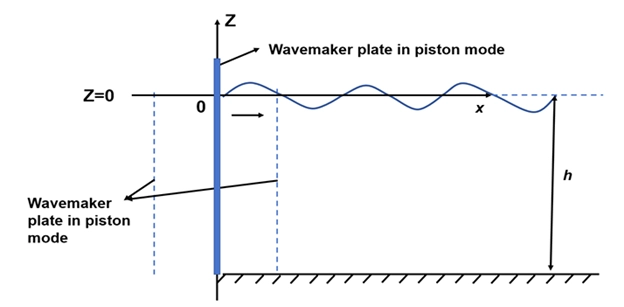
Figure 1: Schematic diagram showing the back-and-forth motion of a Piston-Type Wave Maker paddle [1].
Simulation Process: Dynamic Layering Mesh and VOF Model Setup
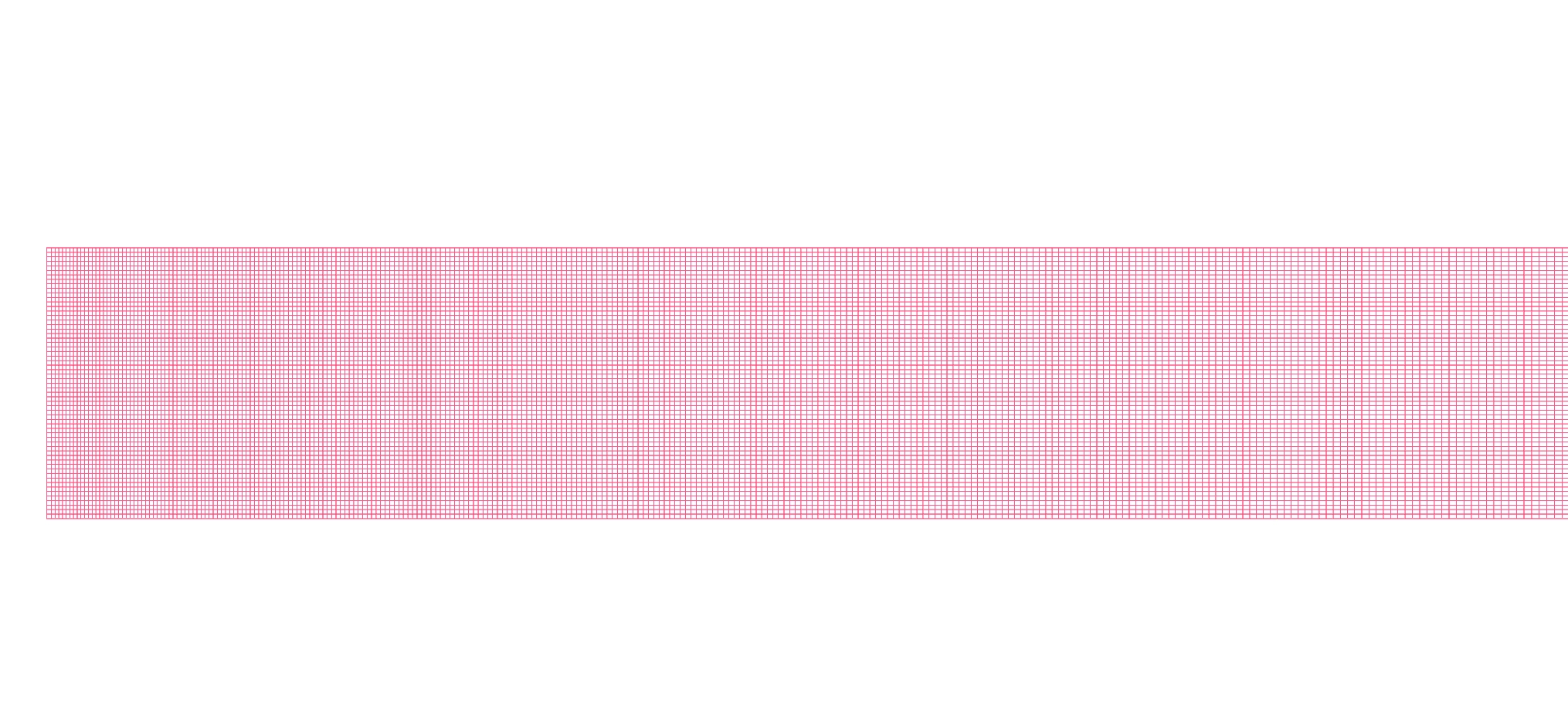
F To begin this CFD Analysis of Wave Maker, we first created the 2D geometry of the water tank. We then generated a high-quality mesh with 36,000 hexahedral cells. We chose this structured grid because the square-like cells give the most accurate results for simple rectangular shapes like our tank. The simulation process required special settings because of the moving piston. We activated the Dynamic Mesh model in ANSYS Fluent. We specifically used the “Layering” method. This technique is necessary because as the piston pushes forward, the software automatically removes layers of cells in front of it. When the piston moves backward, the software adds new layers of cells. This process keeps the mesh quality high and prevents the simulation from crashing.
To model the two different fluids, air and water, we used the Volume of Fluid (VOF) multiphase model. The VOF model is essential for tracking the exact location of the free surface, which is the line where the water meets the air. Finally, to control the piston’s movement, we wrote a User Defined Function (UDF). A simple constant speed is not enough to create good waves. The UDF tells the piston wall to move with a perfect sinusoidal motion. Based on the reference paper, we programmed the motion to have a stroke of 0.115 meters and a period of 2.0 seconds. This combination of a high-quality mesh, dynamic layering, and UDF control is the key to generating realistic and continuous waves in the Wave Maker ANSYS simulation.
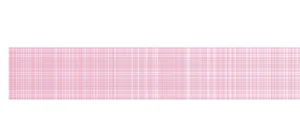
Figure 2: Structured Grid Visualization (36,000 cells) ready for dynamic layering.
Post-processing: Hydrodynamic Analysis of Wave Maker CFD Simulation
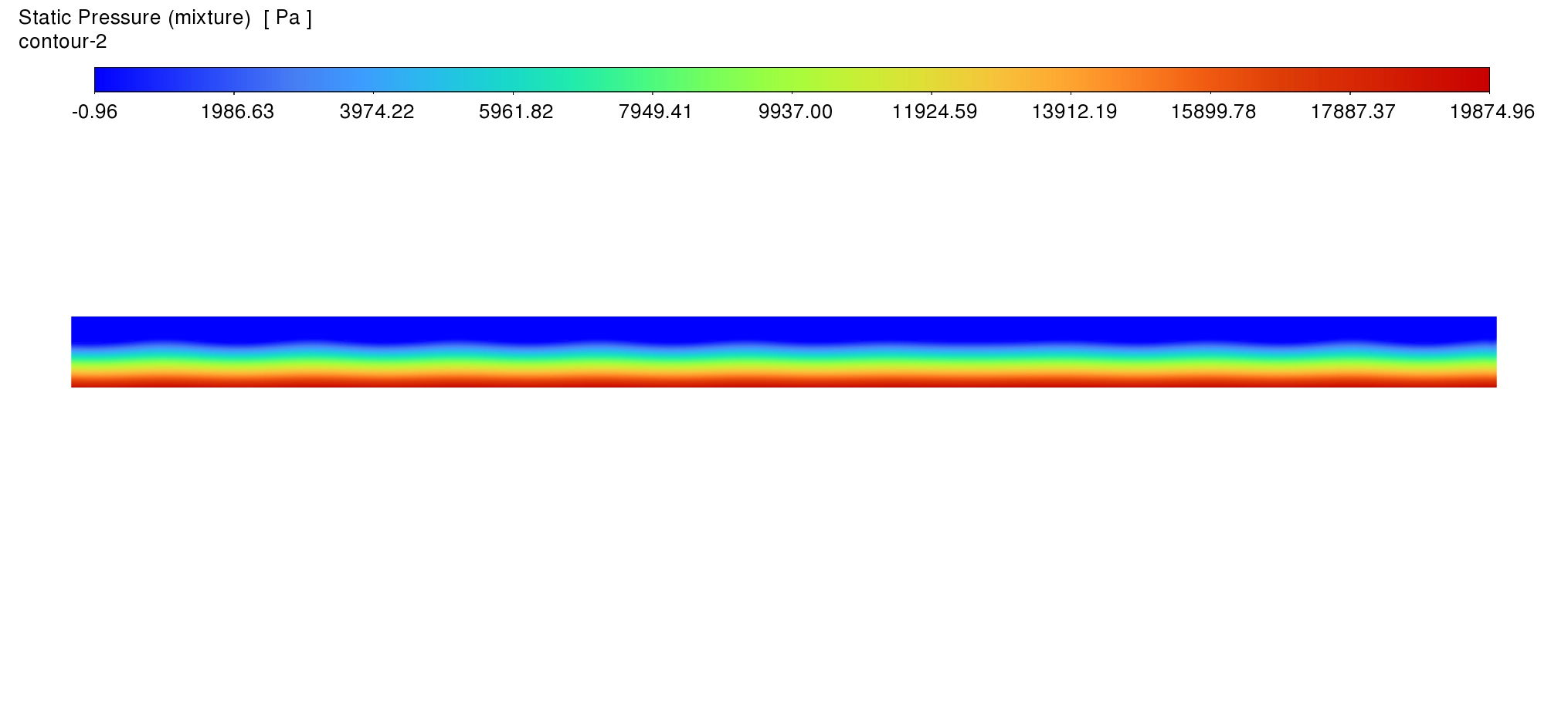
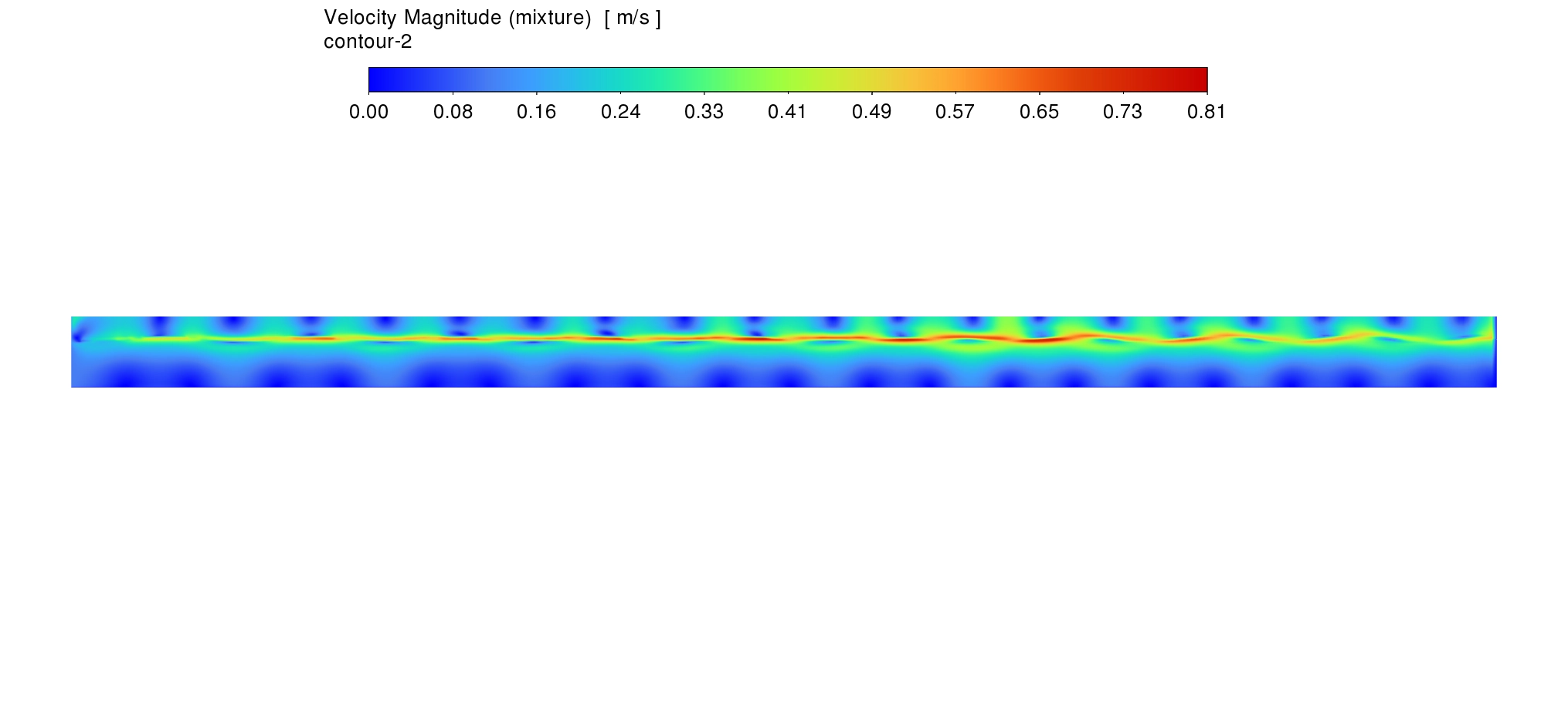
In this section, we perform a detailed engineering analysis of the simulation results. We will look closely at the velocity of the water and the stability of the waves to understand the hydrodynamics inside the tank. First, we analyze the water’s speed using the Velocity Magnitude contour in Figure 5. This image shows us that the fastest moving water is at the top of the wave, known as the wave crest. The red and orange colors at the crest indicate a maximum speed of 0.81 m/s. As we look deeper into the tank, the colors change from green to dark blue. The deep blue color at the bottom of the tank means the velocity there is almost zero. This result is physically correct and very important. It proves that the wave’s energy is concentrated near the free surface. The motion created by the wave maker piston does not disturb the water at the bottom of the tank, which matches real-world deep-water wave theory. This confirms our Wave Maker fluent simulation is capturing the physics correctly.
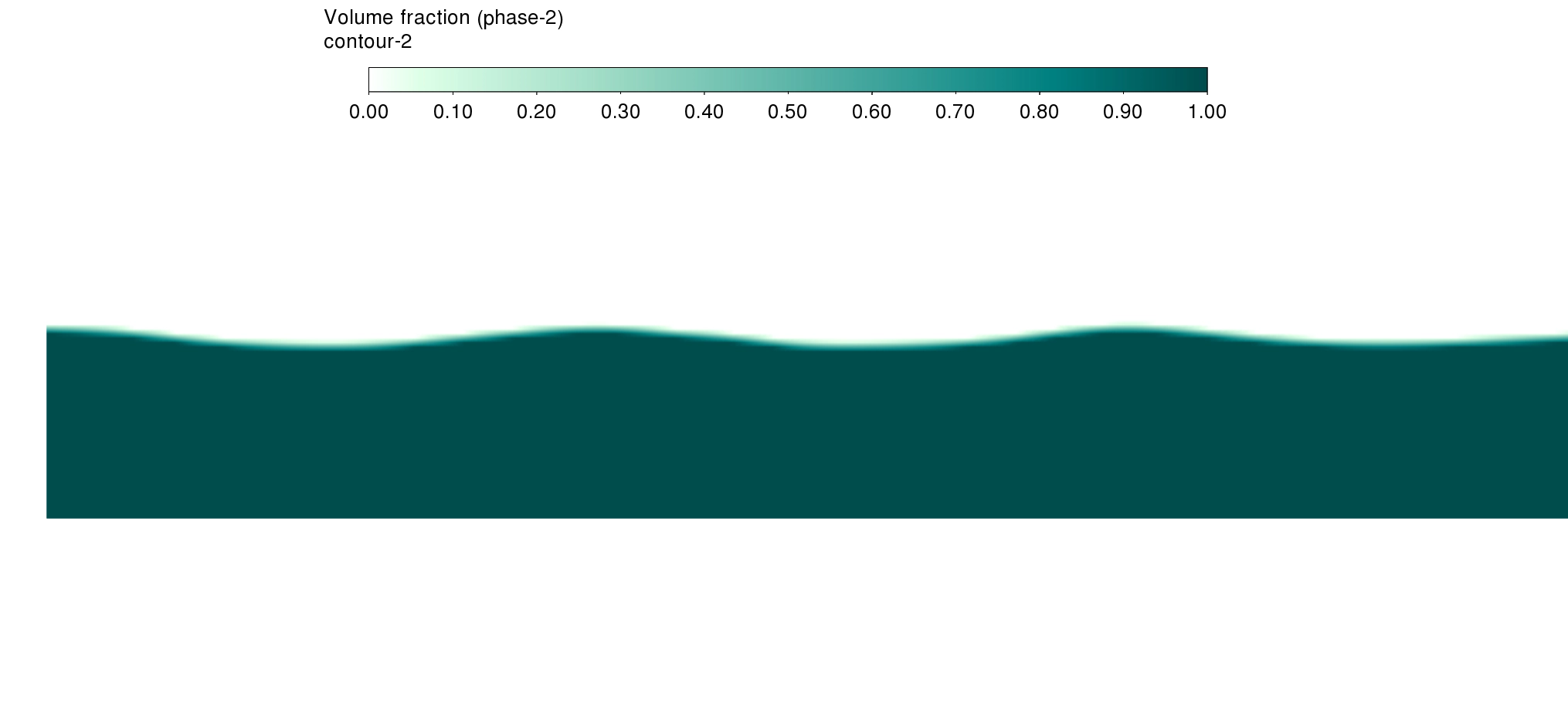
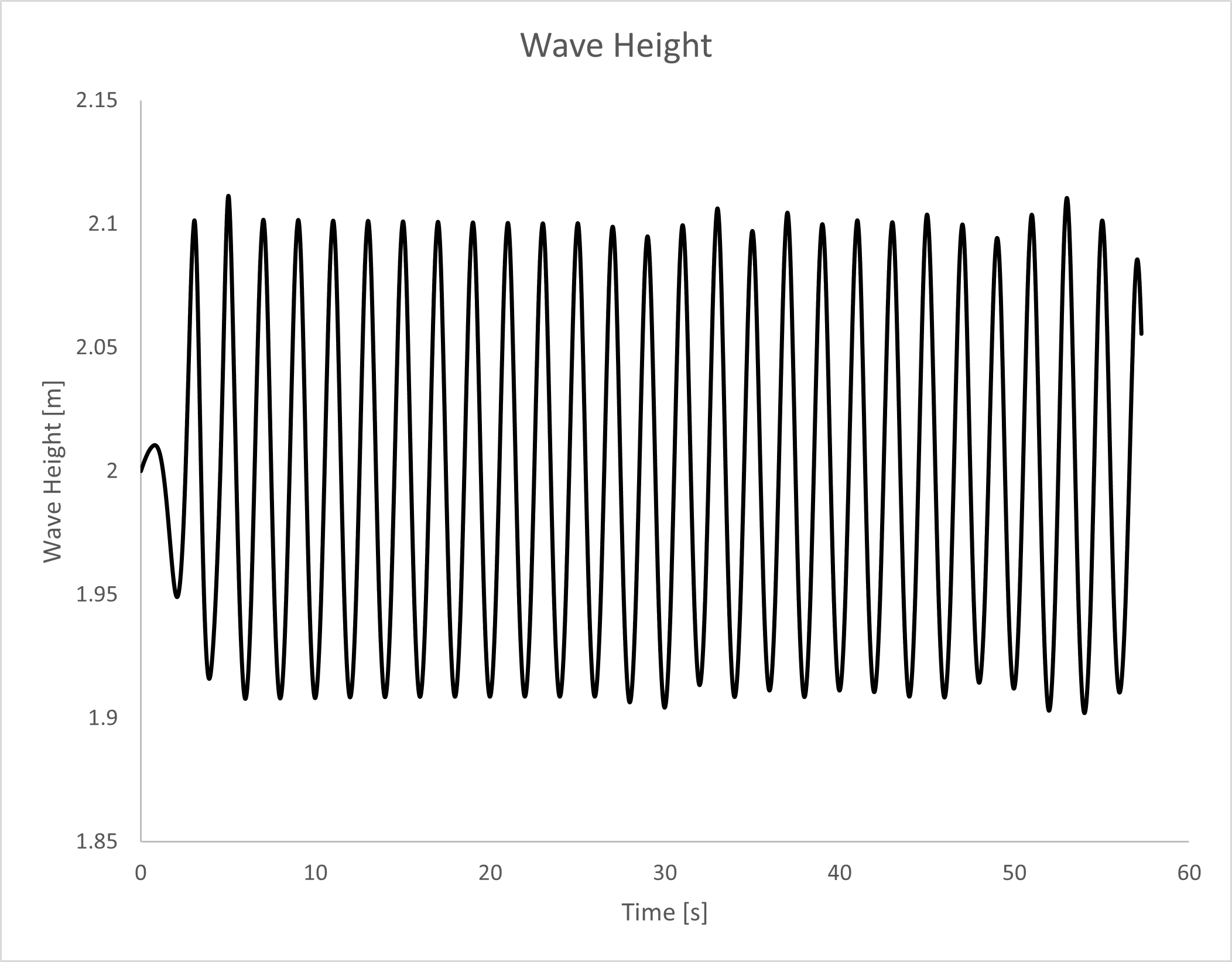
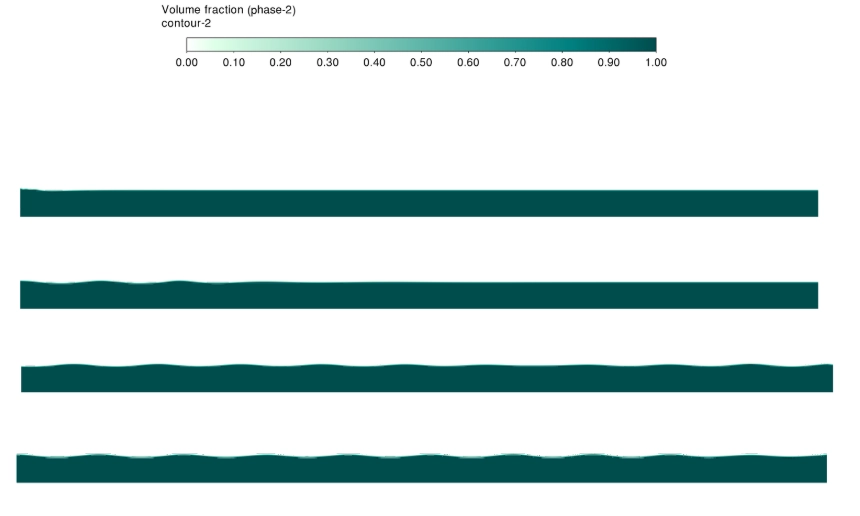
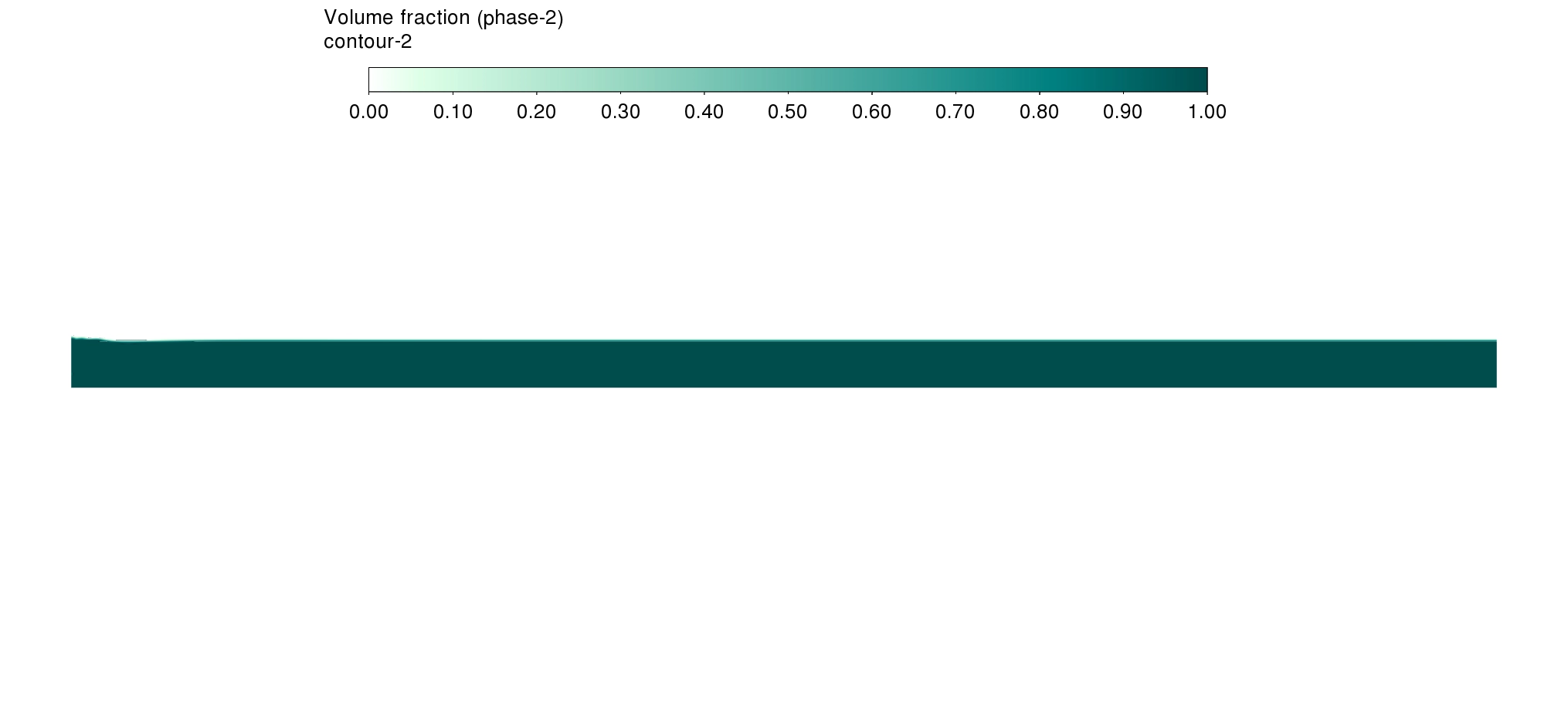
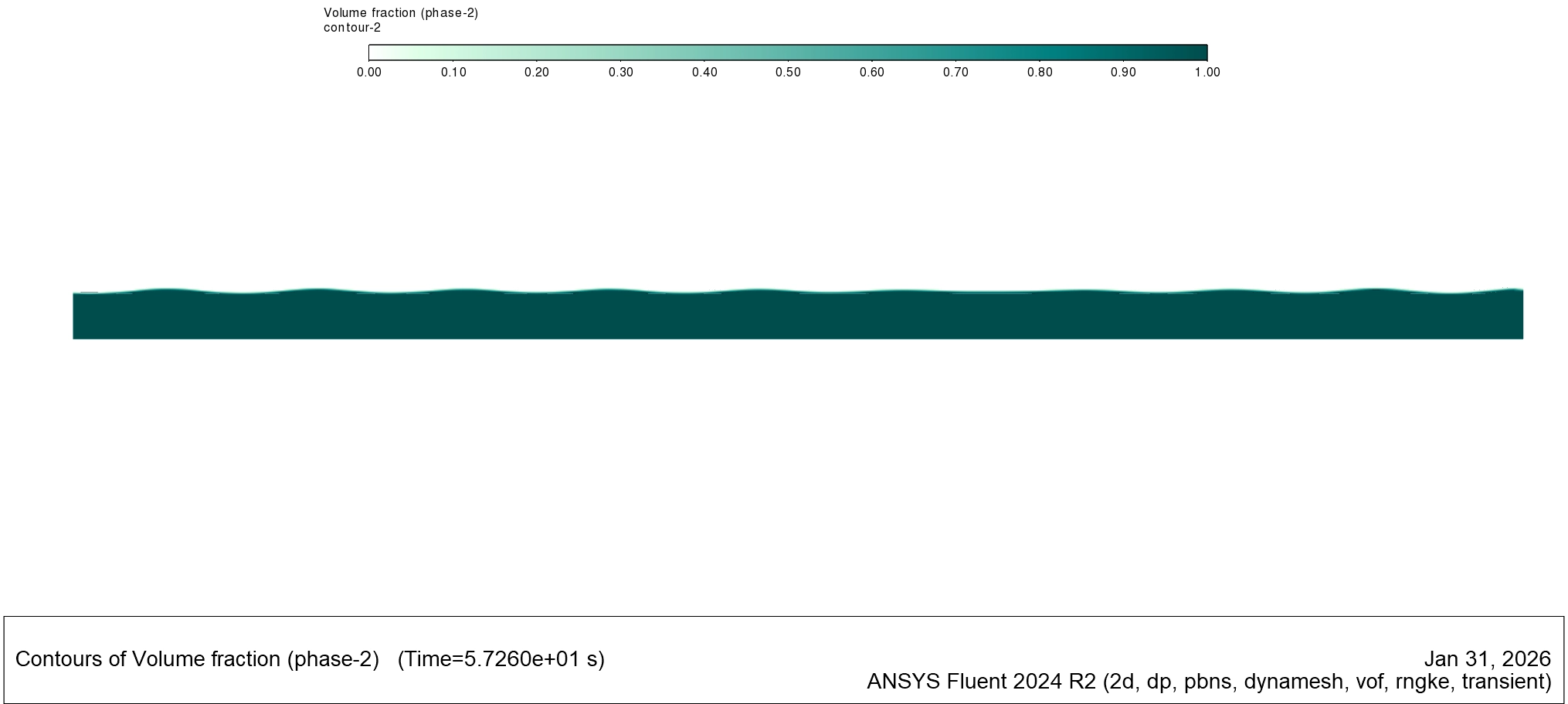
Next, we evaluate the quality and stability of the waves using the graph in Figure 4. This plot shows the water level at a single point over 60 seconds of simulation time. The water level moves up and down in a perfect, repeating pattern. It reaches a maximum height of 2.11 meters and a minimum height of 1.90 meters. This gives us a constant Wave Height of exactly 0.21 meters. The time between each wave crest is precisely 2.0 seconds, which matches our input. The most critical achievement of this simulation is that the wave height does not get smaller as time goes on. This proves that our setup has No Numerical Damping. Numerical damping is an error that happens when a bad mesh or wrong settings cause the wave’s energy to be artificially destroyed by the computer. Our use of the Dynamic Layering method has successfully preserved all the energy, resulting in stable and realistic waves. The clean, sharp line between air and water in Figure 3 further confirms the quality, showing the VOF model prevented any unrealistic mixing.
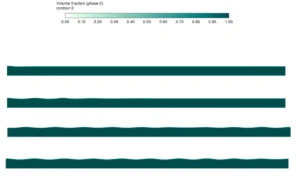
Figure 3: The evolution of waves in the tank, showing a clear and sharp interface between air and water.
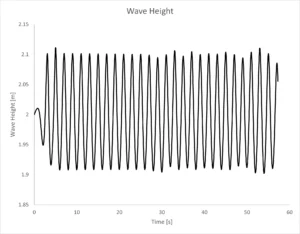
Figure 4: A graph plotting the wave height versus time, showing a stable and constant wave oscillation.
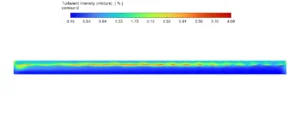
Figure 5: Velocity magnitude contours showing the highest speed of 0.81 m/s occurs at the wave surface.
Key Takeaways & FAQ
- Q: Why use Layering Dynamic Mesh?
- A: It is the best method for linear motion, like a piston. It adds and removes cells cleanly, keeping the mesh quality high during the Wave Maker CFD simulation.
- Q: What does the velocity contour show?
- A: It shows that the water moves fastest (0.81 m/s) at the surface and is still at the bottom. This matches real ocean wave theory.
- Q: Did the waves lose energy?
- A: No. The Wave Maker fluent simulation showed constant wave height (0.21 m) over 60 seconds, proving there was no numerical damping.





Reviews
There are no reviews yet.