Blog

Categories

×

Categories

Filter Categories
+
Turbulence Modeling in CFD: How to Choose the Right Model

Turbulence Modeling in CFD: How to Choose the Right Model

In real-life engineering, chaotic fluid motion is everywhere. From the aerodynamics of vehicles to the thermal mixing in industrial heat exchangers, engineers should account for […]

Turbulence Modeling in CFD: How to Choose the Right Model Read More »
Turbulent Kinetic Energy (k) and Dissipation Rate (ε)

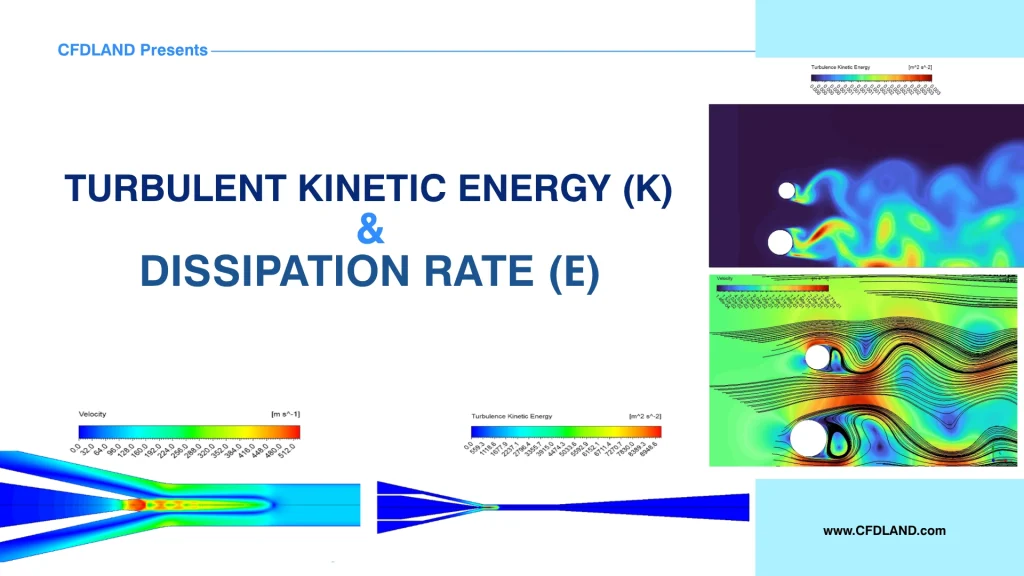
Turbulent Kinetic Energy (k) and Dissipation Rate (ε)

In a turbulent flow, the fluid does not move in smooth, simple layers. It contains small and large eddies. These eddies alter the velocity, pressure,

Turbulent Kinetic Energy (k) and Dissipation Rate (ε) Read More »

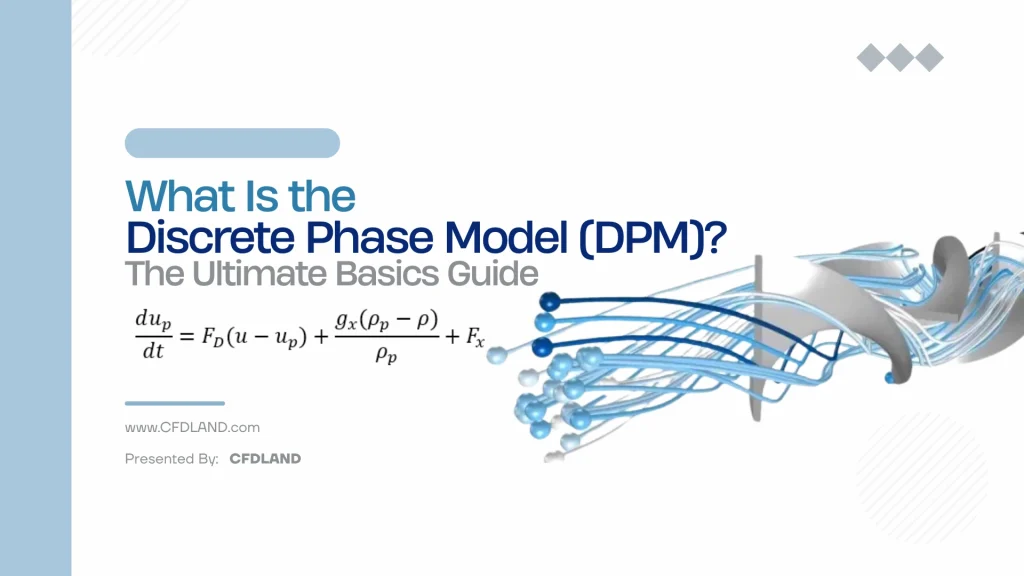
What Is the Discrete Phase Model (DPM)? The Ultimate Basics Guide

What Is the Discrete Phase Model (DPM)? The Ultimate Basics Guide

Welcome to the central pillar of our 14–blog path on multiphase DPM simulations. This guide will provide the ultimate technical foundation for particle tracking. However,

What Is the Discrete Phase Model (DPM)? The Ultimate Basics Guide Read More »

A Guide on Optimization Algorithms in ANSYS MOGA, NLPQL & Beyond

Optimization Algorithms in ANSYS: From NLPQL to MOGA

If you read our first article, The Complete Guide to Optimization in ANSYS, you know the basic concepts of structural and fluid optimization. In our

Optimization Algorithms in ANSYS: From NLPQL to MOGA Read More »

What Is Turbomachinery? Types, Classification & How It Works

What Is Turbomachinery? Types, Classification & How It Works

Turbomachinery is a special branch of engineering that deals with moving fluids and rotating parts. The word comes from the Latin word turbo, which means

What Is Turbomachinery? Types, Classification & How It Works Read More »

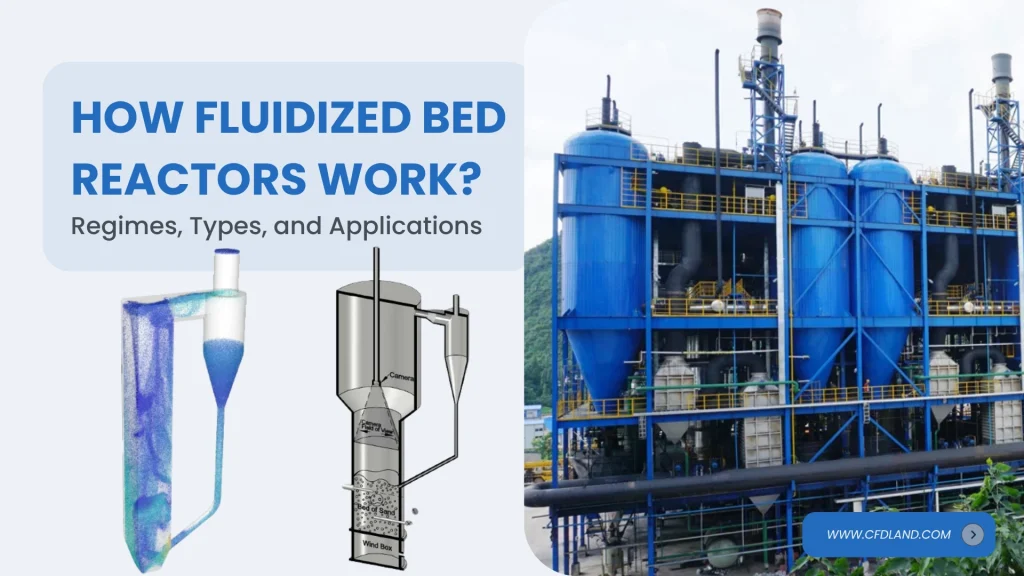
How fluidized bed reactors work

How Fluidized Bed Reactors Work: Regimes, Types, and Applications

A fluidized bed reactor is a highly efficient engineering system where solid particles are suspended by an upward-flowing gas or liquid. When this suspension occurs,

How Fluidized Bed Reactors Work: Regimes, Types, and Applications Read More »

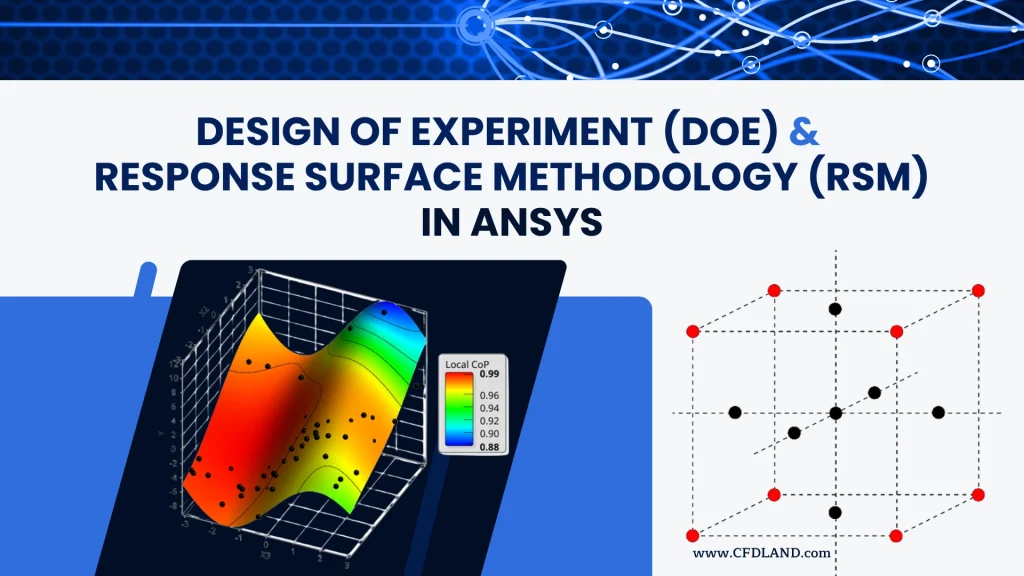
Design of Experiment (DOE) & Response Surface Methodology (RSM) in ANSYS

Design of Experiments (DOE) and Response Surface Methodology (RSM) in ANSYS

Welcome to the second part of our optimization series. Before we begin explaining the mathematical engines behind these tools, we strongly recommend reading our foundational

Design of Experiments (DOE) and Response Surface Methodology (RSM) in ANSYS Read More »

image of ANSYS Optimization: The Complete Guide to Design Exploration

ANSYS Optimization: The Complete Guide to Design Exploration

Product engineering is changing very fast. Today, companies face massive global competition. They must design products that work perfectly under tough conditions, cost less, and

ANSYS Optimization: The Complete Guide to Design Exploration Read More »

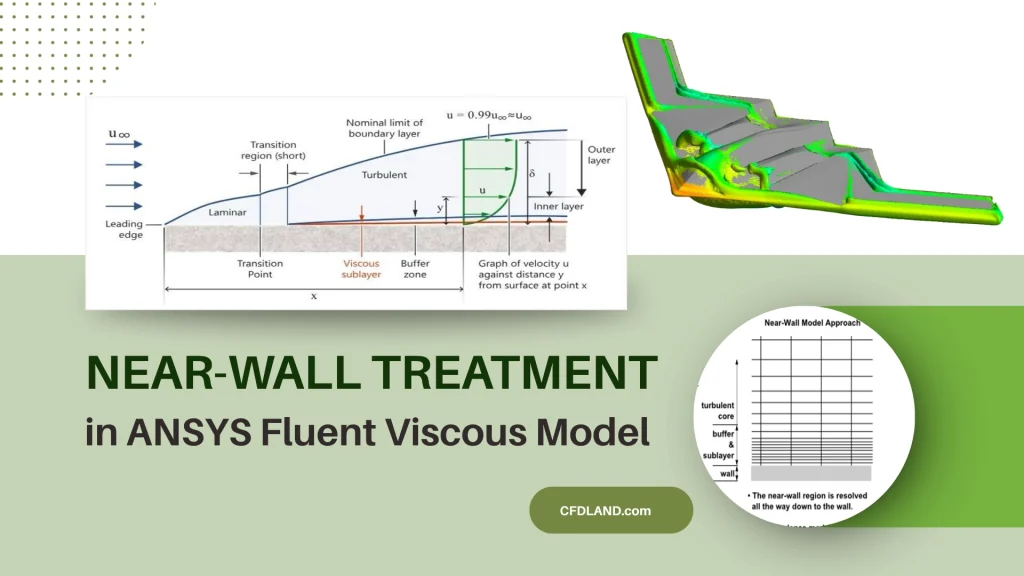
Near-Wall Treatment in ANSYS Fluent Viscous Model

Near-Wall Treatment in ANSYS Fluent: Wall Functions Guide

Near-Wall Treatment in ANSYS Fluent is a method for modeling the flow very close to a wall. It is part of the Fluent Viscous Model

Near-Wall Treatment in ANSYS Fluent: Wall Functions Guide Read More »

image of ANSYS Rocky DEM: Particle Physics and Multi-Physics Coupling

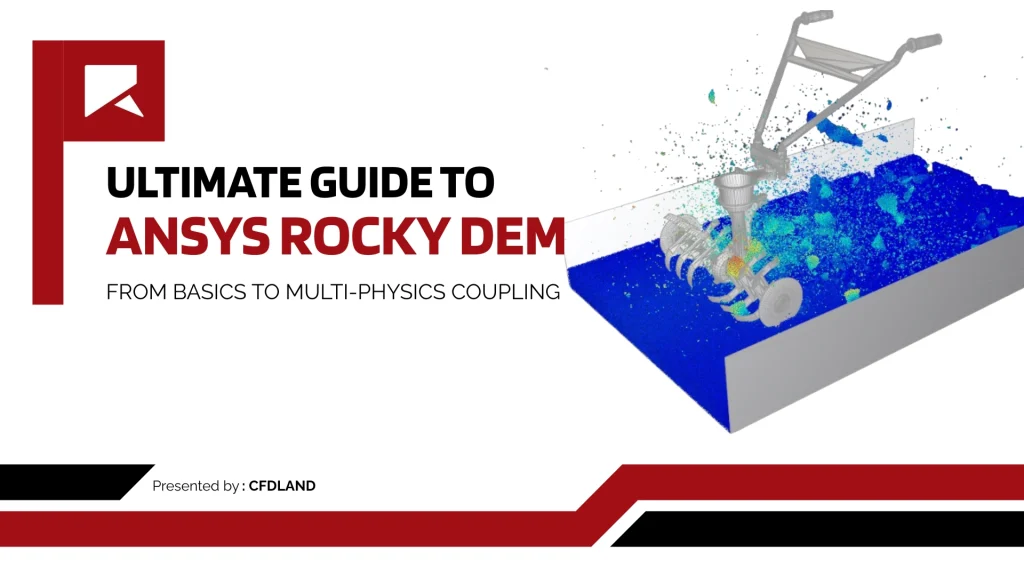
ANSYS Rocky DEM: Particle Physics and Multi-Physics Coupling

Bulk materials like rocks, powders, grains, and fibers are everywhere in the industrial world. However, it is very difficult to predict exactly how these complex

ANSYS Rocky DEM: Particle Physics and Multi-Physics Coupling Read More »

Shopping Cart
Scroll to Top