




What is Biomedical Engineering?
Biomedical Engineering is a multidisciplinary field that combines principles from engineering, biology, medicine, and life sciences to develop technologies that improve human health and the quality of healthcare. Its primary goal is to design and create innovative solutions for diagnosing, treating, and preventing diseases, while enhancing patient care and medical outcomes.

Figure 1- Integrative biomedical engineering: computational analysis of human systems and microfluidic devices
In other words, this dynamic field bridges the gap between engineering and medicine by integrating knowledge from mechanical, electrical, chemical, and computer engineering with biological and physiological systems. Biomedical engineers study the functions and principles of living systems and apply this understanding to develop advanced healthcare technologies.
What Do Biomedical Engineers Do?
- Biomedical engineers collaborate closely with the medical sector to develop innovative technologies that improve patient care. Their work includes designing minimally invasive surgical tools and creating systems that transmit health data to smart devices for real-time monitoring. They are also at the forefront of cutting-edge treatments, including the use of medical lasers and other advanced therapeutic technologies. In essence, biomedical engineers serve as a bridge between medicine and engineering, creating tools and systems that advance both diagnostics and treatment while improving quality of life for patients around the world. Beyond innovation and research and development (R&D), they also manage the maintenance and technical support of various medical devices and systems, for example;
- Developing automated systems for continuous health monitoring, useful in critical care settings or extreme environments like space missions or deep-sea diving.
- Creating computer models to simulate physiological processes such as blood pressure regulation, kidney function, and neural control mechanisms.
- Designing artificial organs, including synthetic blood vessels and artificial kidneys.
- Inventing next-generation surgical and therapeutic devices.
- Engineering external support systems for rehabilitation and sports medicine
- Innovating to better address individual patient needs with tailored solutions.
- Enhancing medical imaging technologies for higher precision in diagnostics.
- Improving genomic testing workflows for faster and more accurate results.
- Optimizing methods for drug development and delivery to increase treatment efficiency.

Figure 2- Biomedical engineering combines STEM subjects with knowledge of human biology; this allows for the design of solutions for health care.
Applications of Biomedical Engineering
Biomedical Engineering plays a vital role in advancing healthcare by integrating engineering concepts with biological and medical sciences. Its applications span from diagnosis and treatment to rehabilitation and tissue regeneration. Below are key areas where biomedical engineering makes a significant impact:
Medical Imaging
Biomedical engineers are instrumental in developing and enhancing medical imaging systems such as MRI, CT scans, ultrasound, and X-rays. These technologies allow physicians to visualize the internal structures of the human body non-invasively, aiding in the accurate diagnosis of diseases ranging from fractures to cancer. Engineers work to improve image clarity, reduce scan times, and minimize radiation exposure, resulting in safer and more efficient diagnostic processes.

Figure 3- A modern CT scan machine
Medical Devices and Instrumentation
The design and development of medical devices is one of the most recognized contributions of biomedical engineering. Engineers in this field create essential tools such as pacemakers, ventilators, defibrillators, infusion pumps, and robotic surgical systems. These devices are critical in both routine care and emergency situations, enabling precise monitoring, treatment, and even automation of life-saving procedures. Ensuring the reliability, biocompatibility, and regulatory compliance of these devices is a core responsibility of biomedical engineers.

Figure 4- Some medical devices: robotic surgical systems, ventilators, and pacemakers
Tissue Engineering and Regenerative Medicine
Tissue engineering involves the creation of biological substitutes to repair or replace damaged tissues and organs. Biomedical engineers work with materials science and cellular biology to develop 3D-printed tissues, artificial skin, and biocompatible scaffolds for organ regeneration. This application holds promise for solving the organ donor shortage and has the potential to transform treatments for burns, cardiac damage, and degenerative diseases.
Drug Delivery Systems
Biomedical engineers design sophisticated drug delivery systems that control how and where medications are released in the body. Innovations like nanoparticle carriers, implantable pumps, and inhalable aerosols enable targeted therapy, improve patient compliance, and minimize side effects. These technologies are particularly important in cancer treatment, diabetes management, and chronic pain therapy.
Neural Engineering
Neural engineering focuses on developing systems that interact directly with the nervous system. Biomedical engineers design technologies like brain-computer interfaces (BCIs), deep brain stimulation devices, and cochlear implants to restore or enhance neurological function. These innovations have improved the lives of patients with Parkinson’s disease, epilepsy, hearing loss, and even spinal cord injuries, offering new hope for recovery and independence.
Rehabilitation Engineering
This area is dedicated to creating assistive devices that help individuals recover from injuries or adapt to physical impairments. Biomedical engineers develop advanced prosthetic limbs, orthotic devices, exoskeletons, and smart wheelchairs to support mobility and rehabilitation. These technologies are often tailored to individual patients, improving their quality of life and enabling them to regain functional independence.

Figure 5- Smart robotic wheelchair offers enhanced autonomy and control
Artificial Organs
Biomedical engineers have developed artificial organs to assist or replace the function of failing biological organs. Examples include artificial hearts, dialysis machines for kidney failure, and synthetic blood vessels used in bypass surgeries. These technologies are critical for patients awaiting transplants or those who are not transplant candidates, offering life-saving support and extending survival.

Figure 6- Artificial right leg
Biomedical Signal Processing
In this application, engineers focus on capturing and analyzing biological signals such as ECG (heart), EEG (brain), and EMG (muscle activity). These signals are vital for diagnosing and monitoring various conditions, including heart arrhythmias, epilepsy, and neuromuscular disorders. Biomedical engineers develop algorithms and software that process these signals in real-time, often integrating them into wearable monitoring systems and telemedicine platforms.
Genomic and Cellular Engineering
Biomedical engineering contributes to genomics by designing systems for DNA sequencing, genetic testing, and gene editing (e.g., CRISPR technology). These tools are used for diagnosing genetic diseases, customizing treatment plans, and even correcting genetic mutations at the source. This area is foundational to personalized medicine, where therapies are tailored to a patient’s genetic profile for maximum effectiveness.
The Role of CFD in Biomedical Engineering
Computational Fluid Dynamics (CFD) plays an increasingly vital role in biomedical engineering, enabling researchers and engineers to analyze, simulate, and optimize biological flows and processes in a virtual environment. Unlike traditional experiments, CFD offers a non-invasive, cost-effective, and highly detailed way to understand complex fluid behavior—such as blood flow, airflow, and drug transport—within the human body. Below are the key areas where CFD is making a transformative impact:
Cardiovascular System Simulation
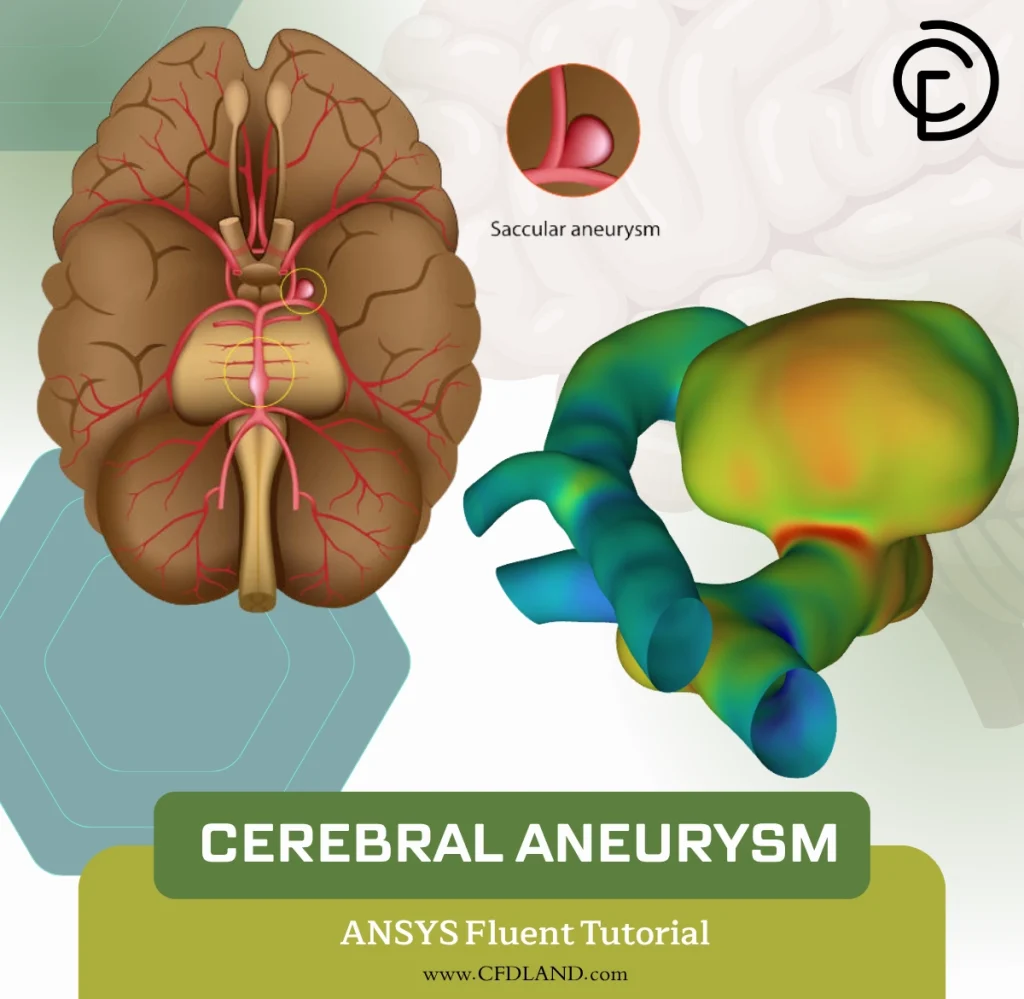
Studying blood flow in arteries, veins, and capillaries is one of the most prominent applications of CFD in biomedical engineering. Simulations help model non-Newtonian blood behavior, identify regions of high wall shear stress, and predict complications such as aneurysms, stenosis, and plaque formation. CFD is also used to optimize the performance of artificial heart valves, vascular grafts, and stents, ensuring minimal turbulence and reducing the risk of clot formation or material fatigue. When patient-specific data (e.g., from CT or MRI scans) is used, CFD enables personalized diagnosis and treatment planning for cardiovascular diseases.

Figure 7- Computational fluid dynamics (CFD) model of an intracranial berry aneurysm. Panel (A) demonstrates the reconstructed surface mesh. Panels (B) and (C) demonstrate the CFD simulated pressure (B) and wall shear stress (C) acting upon the aneurysm wall, which may be useful in predicting risk of rupture on a patient-specific basis
Respiratory Flow and Airway Analysis
The respiratory system is another area where CFD provides invaluable insight. It allows researchers to simulate airflow through nasal passages, the trachea, and lungs. These simulations help evaluate the effects of inhaled particles, such as cigarette smoke or pollutants, determine particle deposition locations, and support the development of inhalation therapies. CFD also aids in optimizing inhaler design and understanding airflow patterns in patients with asthma, COPD, or structural abnormalities.

Figure 8- Airflow pattern and pressure trend during sedentary breathing cycle (a) Magnitude of velocity on the longitudinal plane. In evidence the acceleration across the larynx constriction. (b) Static pressure field along
Drug Delivery Optimization
Effective drug delivery is critical in modern medicine, especially for targeted therapies. CFD helps model how drugs disperse through the bloodstream, lungs, or tissues, identifying regions where absorption may be poor or where dosages need adjustment. For complex drug delivery systems—like nanoparticles, inhalers, or controlled-release capsules—CFD simulations highlight inefficiencies in transport and suggest ways to improve delivery accuracy and effectiveness.

Figure 9- Use of computational fluid dynamics deposition modeling in respiratory drug delivery: Comparison of Epreimental and CFD predictions.
Medical Device Design and Evaluation
CFD is widely used in the design and performance optimization of various medical devices, including dialysis machines, blood oxygenators, ventilators, and nebulizers. For example, in dialysis devices, simulations help analyze how blood and dialysate flow through the system to enhance the separation of waste while minimizing pressure drop and clot risk. Engineers also rely on CFD to ensure that devices interact with biological fluids in ways that mirror natural behavior, especially when testing artificial tissues or implantable components.

Figure 10- Improved computational fluid dynamic simulations of blood flow in membrane Oxygenators from X-ray Imaging, illustrate flow through the inlet tube.
Artificial Tissue and Bioreactor Analysis
Many artificial tissues are perfused with fluids to simulate natural biological conditions. CFD simulations help verify that these tissues respond to fluid flow in the same way as real human tissues. This is crucial in the development of tissue scaffolds, bioreactors, and organ-on-chip platforms, where maintaining physiological flow conditions ensures proper nutrient delivery and waste removal for growing cells or tissues.

Figure 11- CFD Analysis of a Centrifugal LVAD using the MRF Method in Fluent
Cryopreservation and Thermal Modeling
In cryopreservation, organs or tissues are cooled to very low temperatures to preserve them for future use, such as in organ transplantation. CFD models the heat transfer and phase change of fluids within these tissues during cooling and thawing, helping to prevent ice crystal formation that could damage delicate cellular structures. It is also useful in therapeutic hypothermia and cryosurgery, where precise thermal control is required to avoid unintended tissue damage.
Virus Distribution in Environment
Virus distribution is a critical application of Computational Fluid Dynamics (CFD) in biomedical engineering, especially in understanding the airborne transmission of diseases in enclosed environments like hospitals, offices, or aircraft cabins. CFD simulations help model the movement of virus-laden droplets and aerosols generated through breathing, talking, coughing, or sneezing. By analyzing airflow patterns, thermal effects, and droplet behavior, engineers can identify high-risk zones for infection, optimize ventilation systems, and evaluate the effectiveness of protective measures such as masks and physical barriers.

Figure 12- Particle diameter distribution in Virus Distribution by Coughing Considering Breakup DPM CFD Simulation
Risk Analysis and Prevention
CFD plays a critical role in identifying hemodynamic risk factors, such as high shear stress or pressure gradients, which can lead to medical conditions like thrombosis, aneurysm rupture, or device failure. Simulating flow behavior allows clinicians and designers to anticipate potential complications early in the development process or even before a medical intervention.

Figure 13- Mesh details: cut view of internal blood mesh and detail of clot mesh, and detailed view of velocity magnitude contours and streamlines in aneurysm region, clot in contact with saccular wall
ANSYS Fluent in Biomedical Engineering
ANSYS Fluent provides a robust platform for simulating advanced biomedical engineering applications, supporting innovations in biomedical sciences, biomedical materials & devices, and biomedical signal processing and control. Its high-fidelity models and flexibility make it ideal for tackling complex physiological and engineering challenges. Below are some key areas where ANSYS Fluent is effectively applied:
Porous Media Modeling
Many components of the human body—such as lungs, biological tissues, and vascular walls—are classified as porous media. Accurate modeling of these structures is critical in the development and testing of biomedical materials. ANSYS Fluent offers state-of-the-art porous media models and transport equations, allowing engineers to replicate biological environments with high precision.

Figure 14- The hierarchical organization of the human lung components.
Flow Regime Analysis
Whether a biological flow is laminar or turbulent greatly affects its behavior and interaction with biomedical materials & devices. ANSYS Fluent supports a wide range of turbulence models, including RANS (Reynolds-Averaged Navier-Stokes) and LES (Large Eddy Simulation), enabling the accurate simulation of flow conditions in critical applications like artificial heart valves or blood flow in narrowed arteries.
Multiphase Flow Simulation
Many biological fluids—such as blood, lymph, and mucus—are inherently multiphase. Their behavior must be well-understood to optimize the design and function of biomedical devices. ANSYS Fluent allows detailed simulation of multiphase interactions, including the movement of cells and particles, which is crucial for applications in drug delivery and dialysis system design.
Heat Transfer in Biological Systems
Thermal regulation is an essential aspect of biomedical sciences, influencing tissue behavior, metabolic reactions, and medical device performance. ANSYS Fluent seamlessly couples heat transfer models with fluid dynamics, making it possible to simulate temperature-dependent phenomena in applications like cryopreservation, thermal ablation, and organ transport.
Customization via UDFs
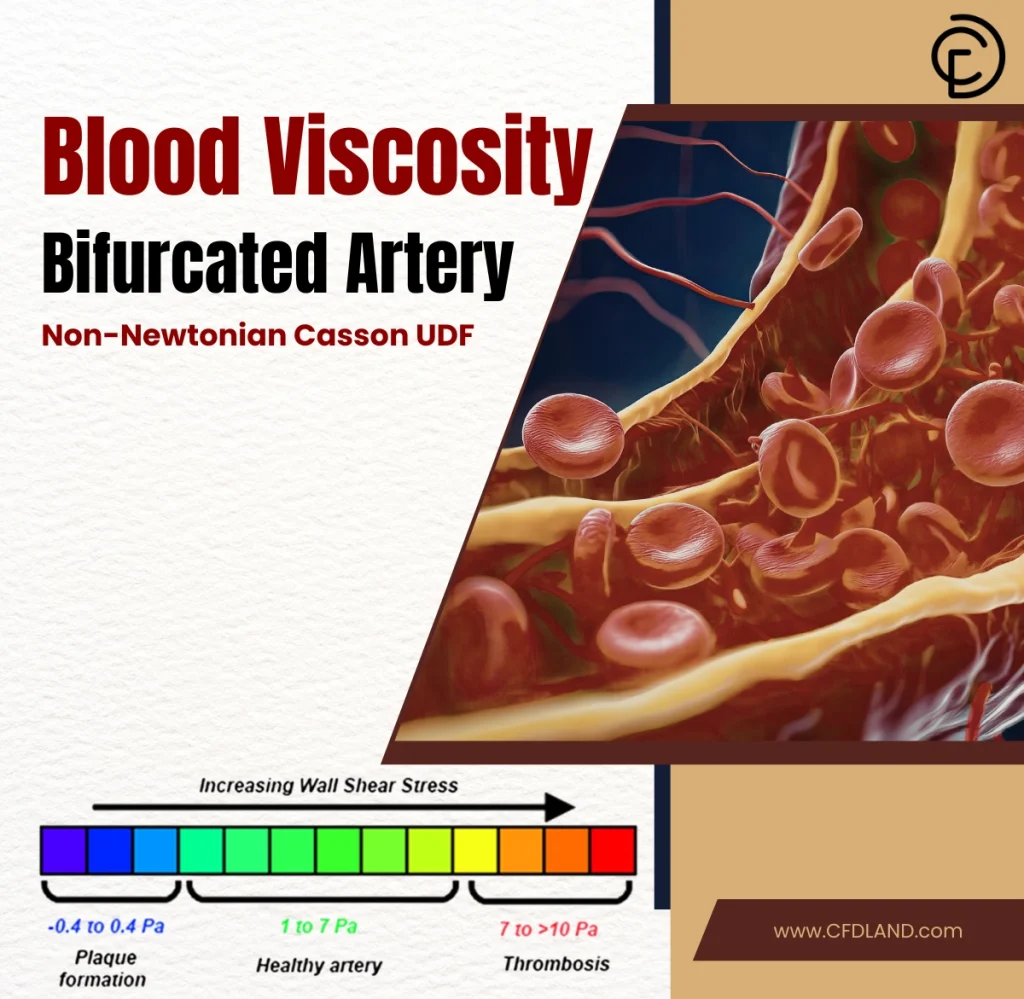
ANSYS Fluent enables the implementation of User-Defined Functions (UDFs), offering flexibility to customize simulations for specialized biomedical signal processing and control applications. This is particularly useful for modeling non-Newtonian fluid behavior, custom material properties, and dynamic physiological conditions like time-varying pressure or temperature changes.

Figure 15- Non-Newtonian blood in artery CFD: User-Defined Functions (UDFs) application
CFDLAND’s Expertise in Biomedical Engineering Applications Using ANSYS Fluent
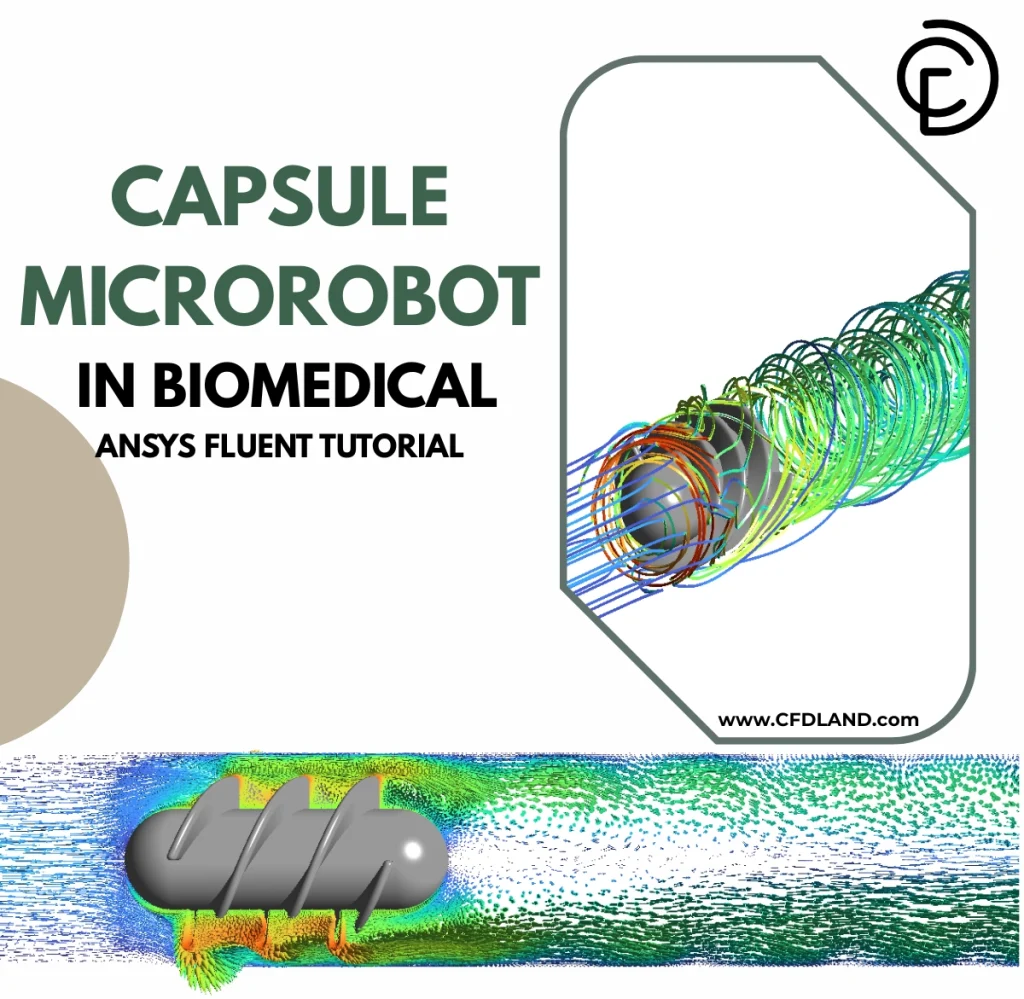
At CFDLAND, we specialize in advanced biomedical engineering simulations using ANSYS Fluent, with a strong portfolio of successfully completed projects in this field. You can explore some of our featured biomedical CFD projects showcased at the top of this page. For a broader range of ready-to-use simulations, visit our CFD SHOP—you might find a project that perfectly fits your needs.
With deep expertise in handling the complexities of biomedical applications—such as biomedical materials & devices, non-Newtonian blood flow, and multiphase simulations—our team delivers high-quality, reliable results. Place your custom CFD project order with confidence. You’ll be impressed by both the efficiency and precision of our work.