
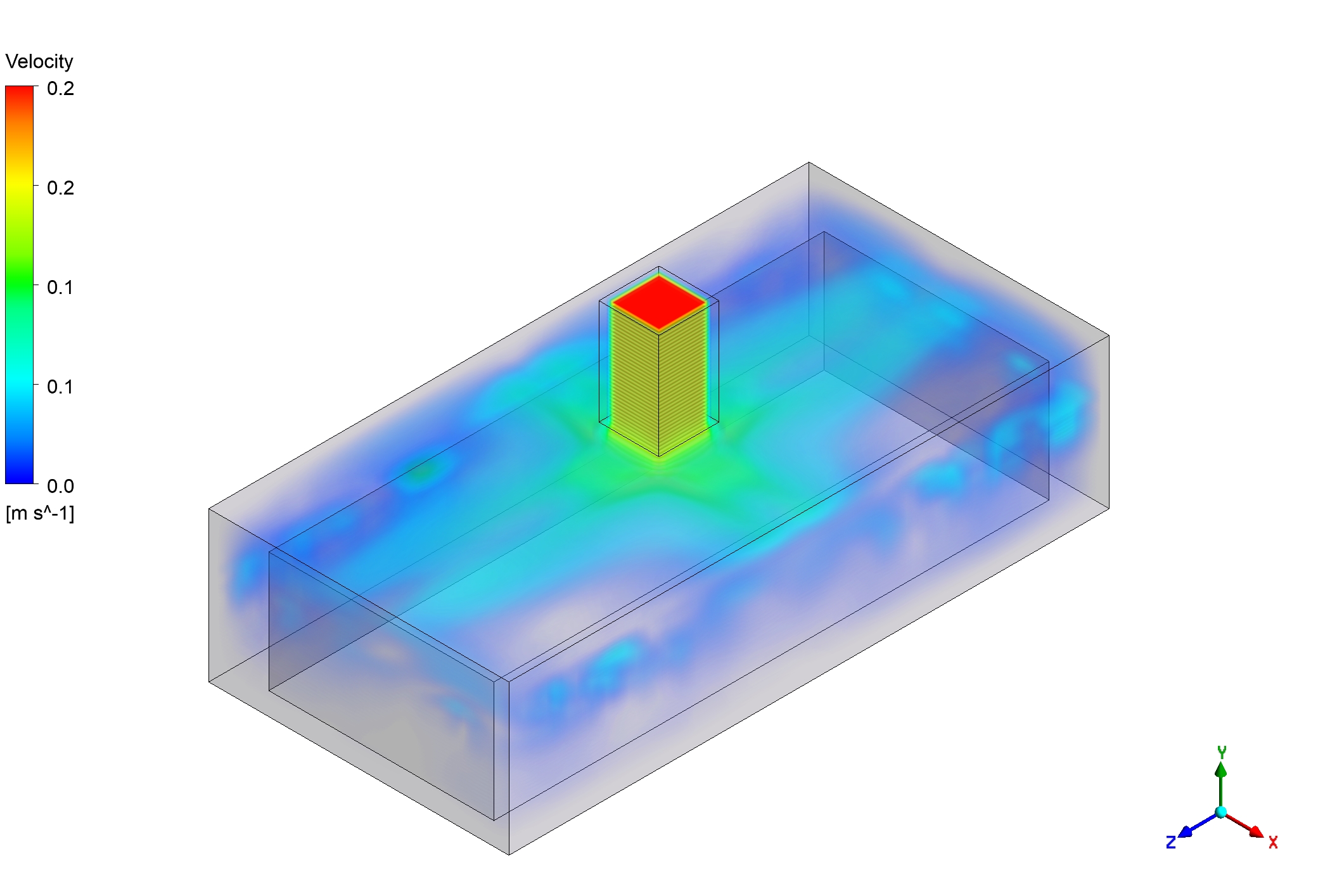
Metal casting is a process where hot liquid metal is poured into a mold to create a solid part. A Casting CFD simulation is a computer model that helps engineers understand this process better. Using ANSYS Fluent, we can perform a mold filling analysis to see how the metal flows and a solidification simulation to see how it cools and hardens. This is especially important for aluminum casting, which is used to make strong, light parts for cars and airplanes. This type of analysis helps with casting defect prediction, finding problems like bubbles or cracks before they happen. Our study uses the Volume of Fluid (VOF) model to track the filling process and is based on the methods from the paper “Numerical Simulation of Casting Filling Process Based on FLUENT” [1].
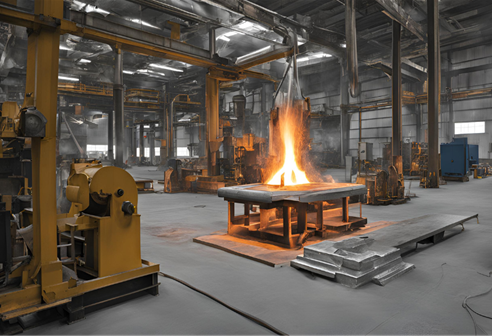
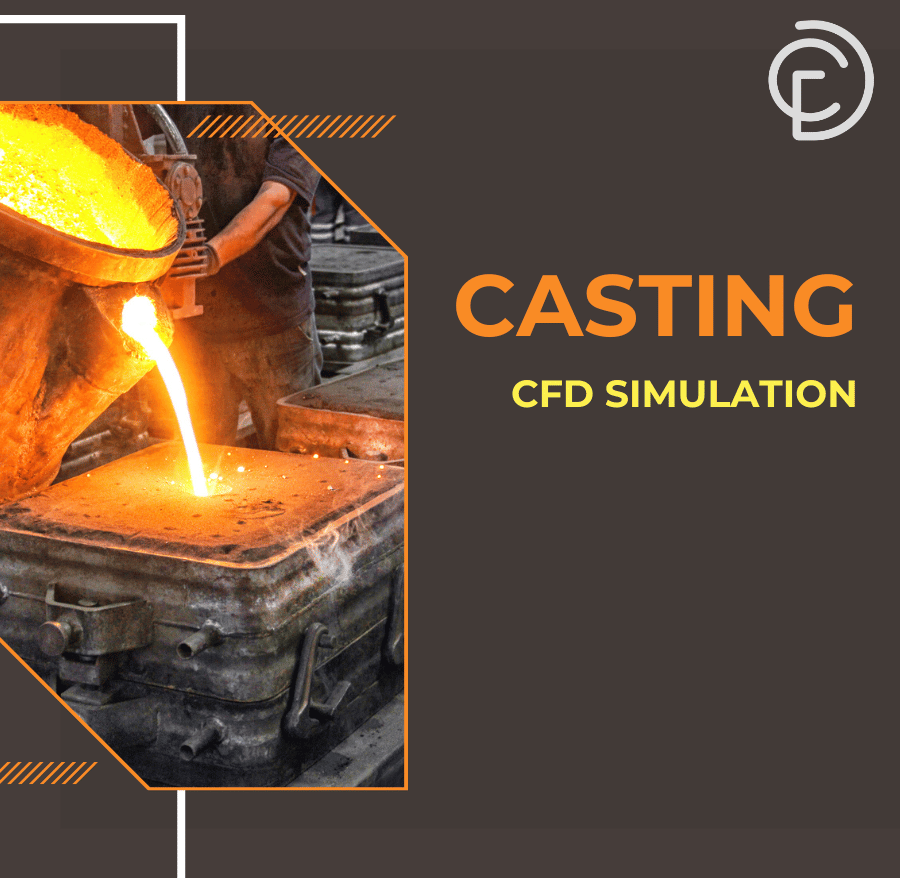
Figure 1: Casting process of aluminum
Simulation Process: Fluent Setup, Multiphase VOF and Solidification Modeling
To prepare our metal casting CFD simulation, we first designed the mold geometry. We then used ICEM CFD software to create a high-quality structured grid. A good grid is very important for accurate results. In ANSYS Fluent, we set up a transient simulation because the process changes over time. We activated two key physics models. First, the Volume of Fluid (VOF) multiphase model was used to track the line between the hot liquid aluminum and the air inside the mold. Second, the Solidification and Melting model was used to simulate how the aluminum changes from a liquid to a solid as it cools.
Post-processing: CFD Analysis, Interpreting Filling Dynamics and Solidification Behavior
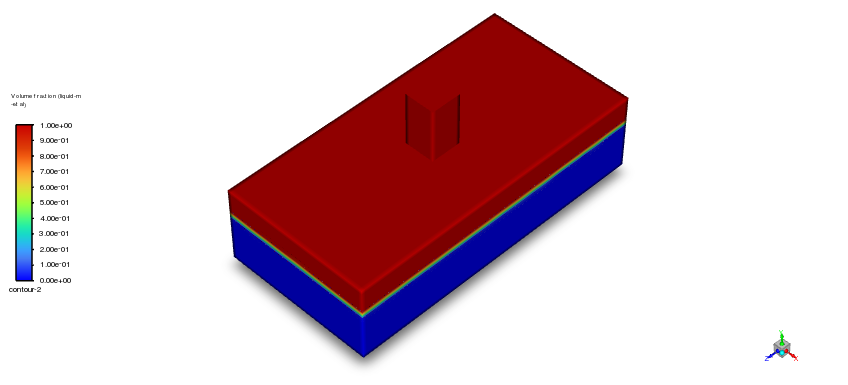
The volume fraction contour provides a professional visual that confirms the mold cavity has been filled completely, with a filling rate of 100%. From an engineering standpoint, this is the first check for a successful casting. It tells us that the initial amount of molten metal was enough to create the full shape of the part. More importantly, analyzing the filling sequence frame-by-frame would allow us to check for excessive splashing or turbulence, which can trap air and lead to porosity defects. This simulation confirms a clean fill, which is the foundation for a high-quality final product.
Figure 2: A professional visual from the VOF Casting analysis showing 100% mold filling.***
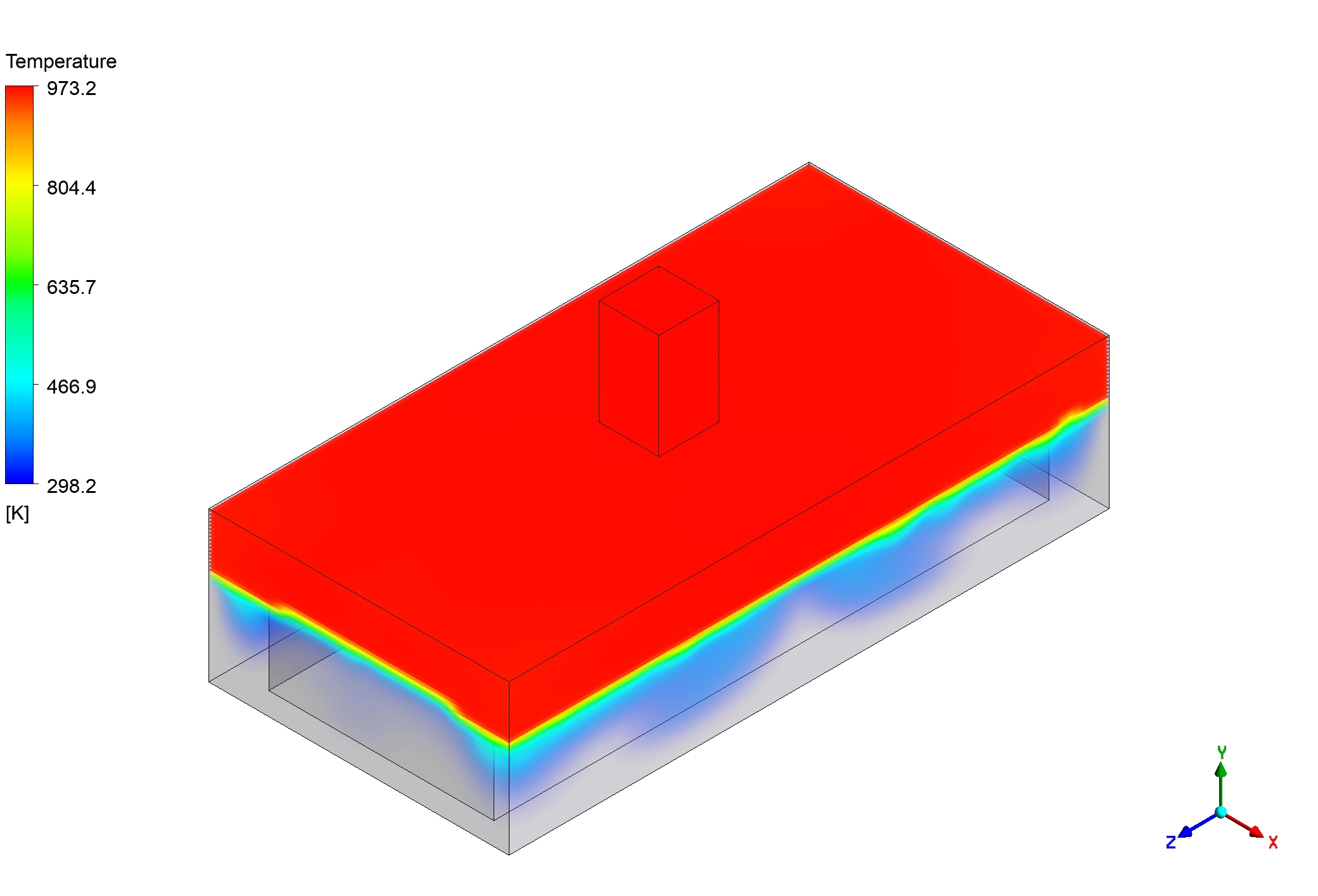
The temperature contour tells the final, critical story of the solidification process. This professional visual is a diagnostic map of heat. We can see a clear thermal gradient, with the mold walls cooling the outer layers of the aluminum first, while the center remains liquid. The temperature in the casting ranges from a hot 973.2 Kelvin (700°C) down to a cooler 298.2 Kelvin (25°C) at the very edges. The most important area for an engineer to analyze is the top section, which stays at the highest temperature for the longest time. This “hot spot” is the last part to freeze. As metal cools, it shrinks, and this hot spot must supply liquid metal to the rest of the casting to prevent shrinkage voids. The most important achievement of this simulation is its ability to precisely locate this final solidification zone, proving that the thick top section acts as a proper “riser” and ensuring the final cast part will be solid and free from internal shrinkage defects.
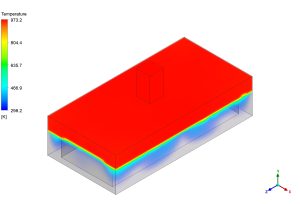
Figure 3: Temperature distribution from the Solidification Simulation, used for casting defect prediction.




Reviews
There are no reviews yet.