
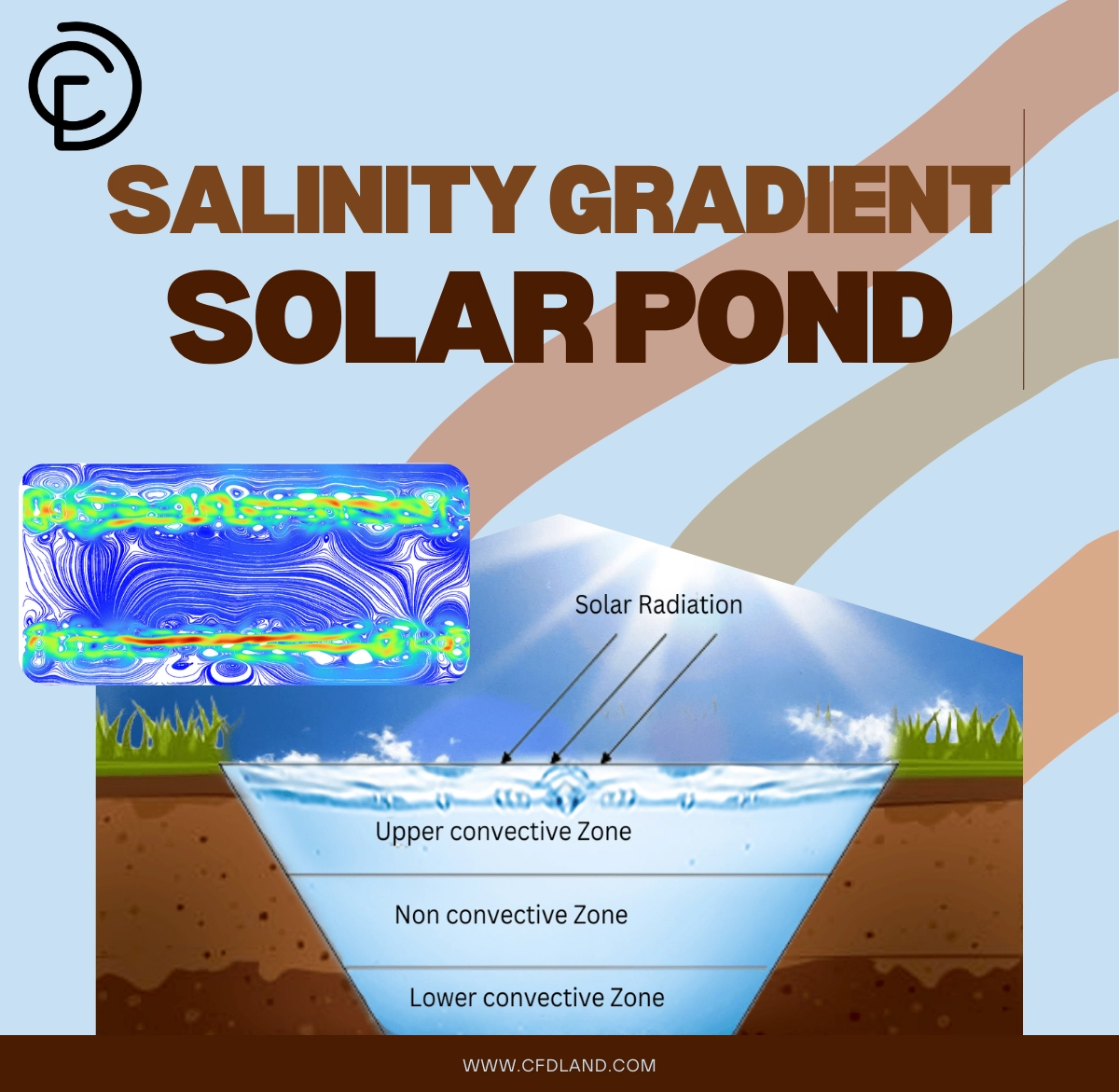
A Salinity Gradient Solar Pond (SGSP) is a smart and low-cost way to collect and store heat from the sun. It uses a large body of saltwater to trap solar energy. In a normal pond, hot water rises to the top and loses heat to the air. However, a solar pond creates three layers of water with different salt levels to stop this heat loss. This design keeps the bottom layer very hot (up to 90°C), which can be used for electricity or heating. Designing these ponds is difficult because we must balance heat and salt movement perfectly. Therefore, engineers use CFD simulation to test designs safely on a computer. We use ANSYS Fluent to model the complex mixing of salt and heat.
In this report, we perform a detailed CFD Analysis of solar pond. We simulate the three critical zones: the Upper Convective Zone (UCZ), the Non-Convective Zone (NCZ), and the Lower Convective Zone (LCZ). We use the Species Transport model to track salt concentration. This Salinity Gradient Solar Pond fluent simulation helps engineers predict how stable the pond will be over time without building expensive prototypes. For more details on fluid behavior, please explore our Fluid Mechanics tutorials: https://cfdland.com/product-category/engineering/fluid-mechanics-cfd-simulation/
- Reference [1]: El Kadi, Khadije, Sherine Elagroudy, and Isam Janajreh. “Flow simulation and assessment of a salinity gradient solar pond development.” Energy Procedia158 (2019): 911-917.
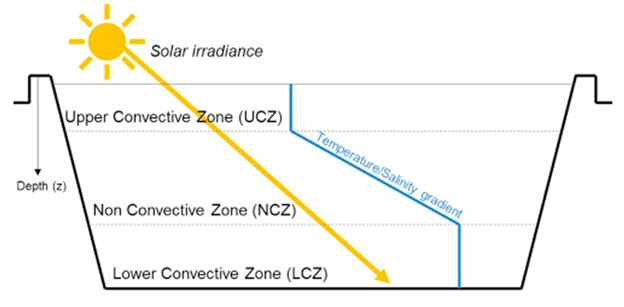
Figure 1: Schematic illustration of the Salinity Gradient Solar Pond (SGSP) showing the three distinct zones: Upper Convective Zone (UCZ), Non-Convective Zone (NCZ), and Lower Convective Zone (LCZ).
Simulation Process: Species Transport For Solar Pond in Fluent
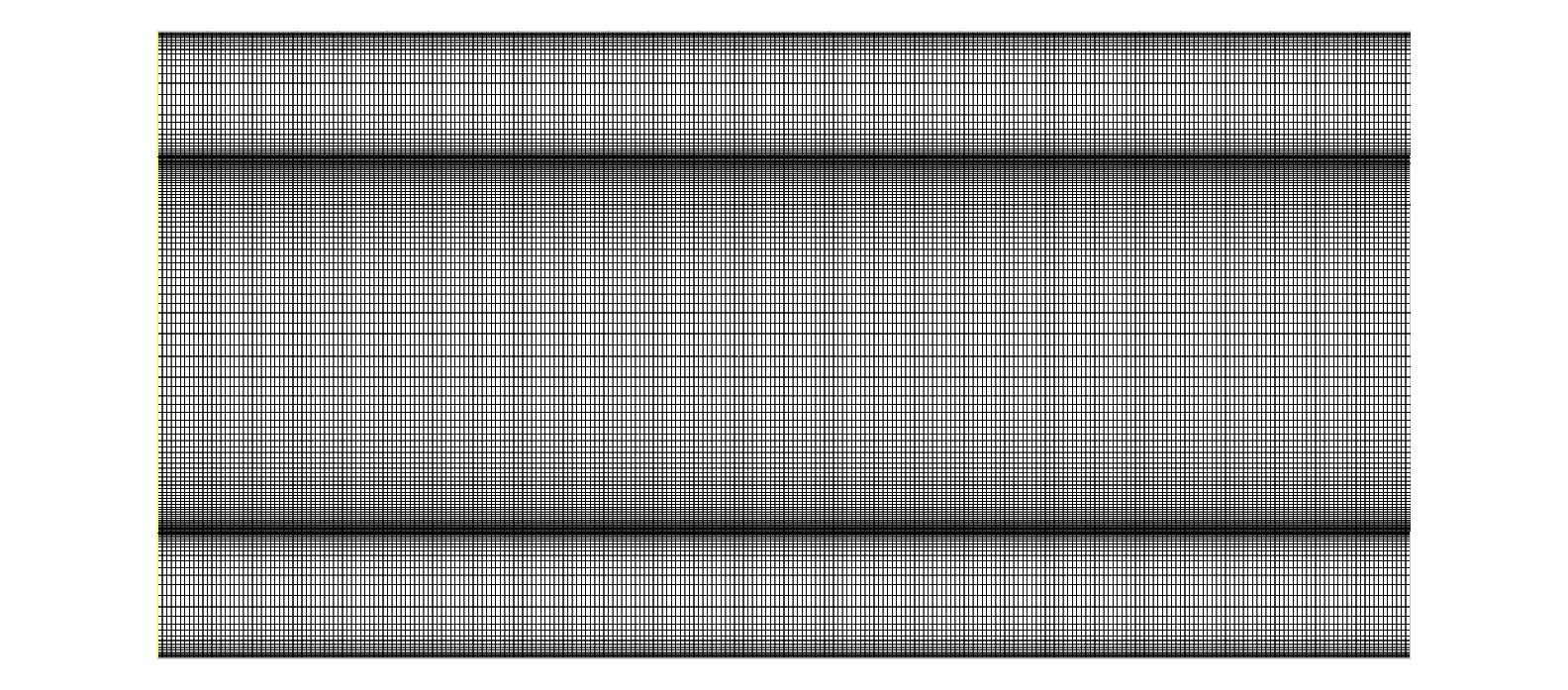
For this Salinity Gradient Solar Pond CFD project, we created a 2D vertical cross-section of the pond. The geometry is divided into three layers to represent the UCZ, NCZ, and LCZ. We generated a high-quality structured grid with 38,920 quadrilateral cells. A structured mesh is best for this type of flow because the layers are horizontal. We refined the mesh (made cells smaller) near the top surface, bottom wall, and the interfaces between the zones. This is critical because the temperature and salt levels change very fast in these areas. This mesh strategy allows the Salinity Gradient Solar Pond ANSYS Fluent solver to accurately capture the thin boundary layers where heat transfer happens.
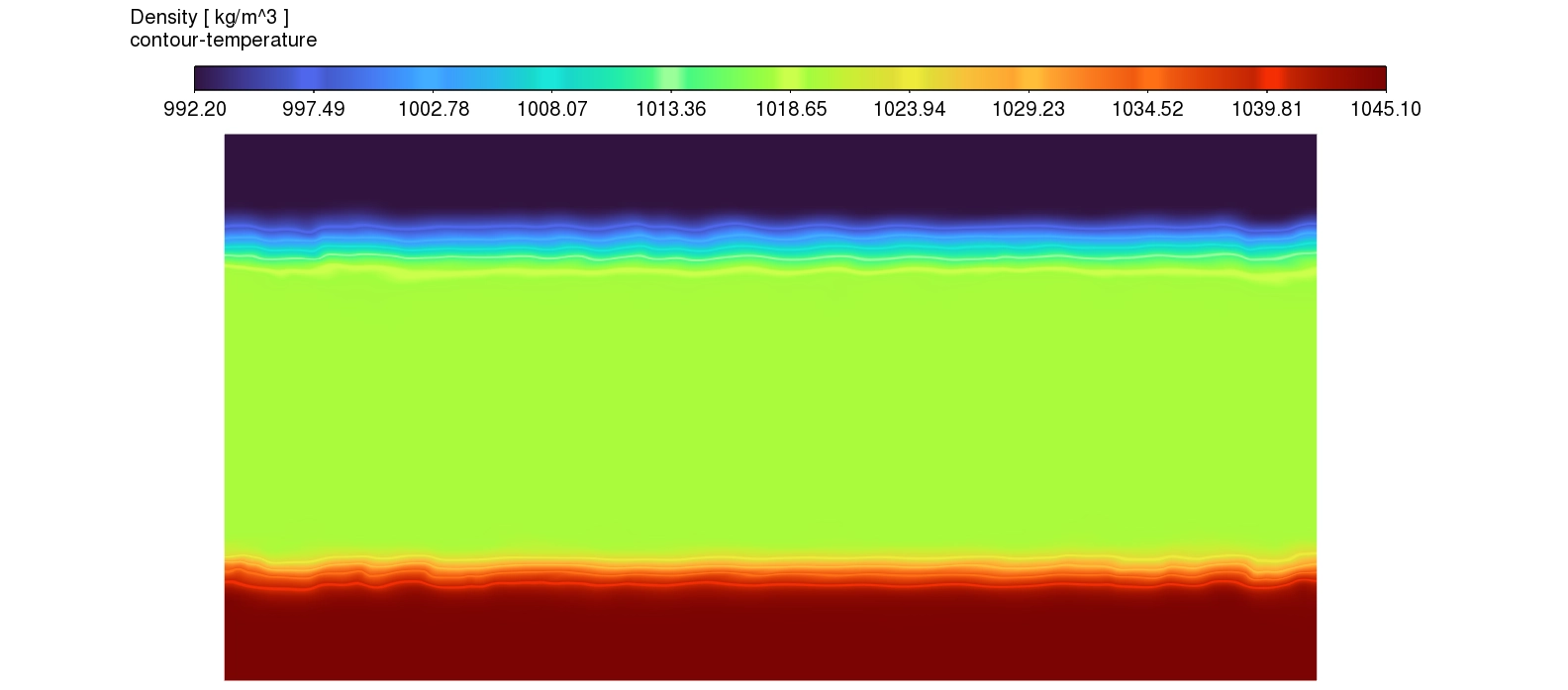
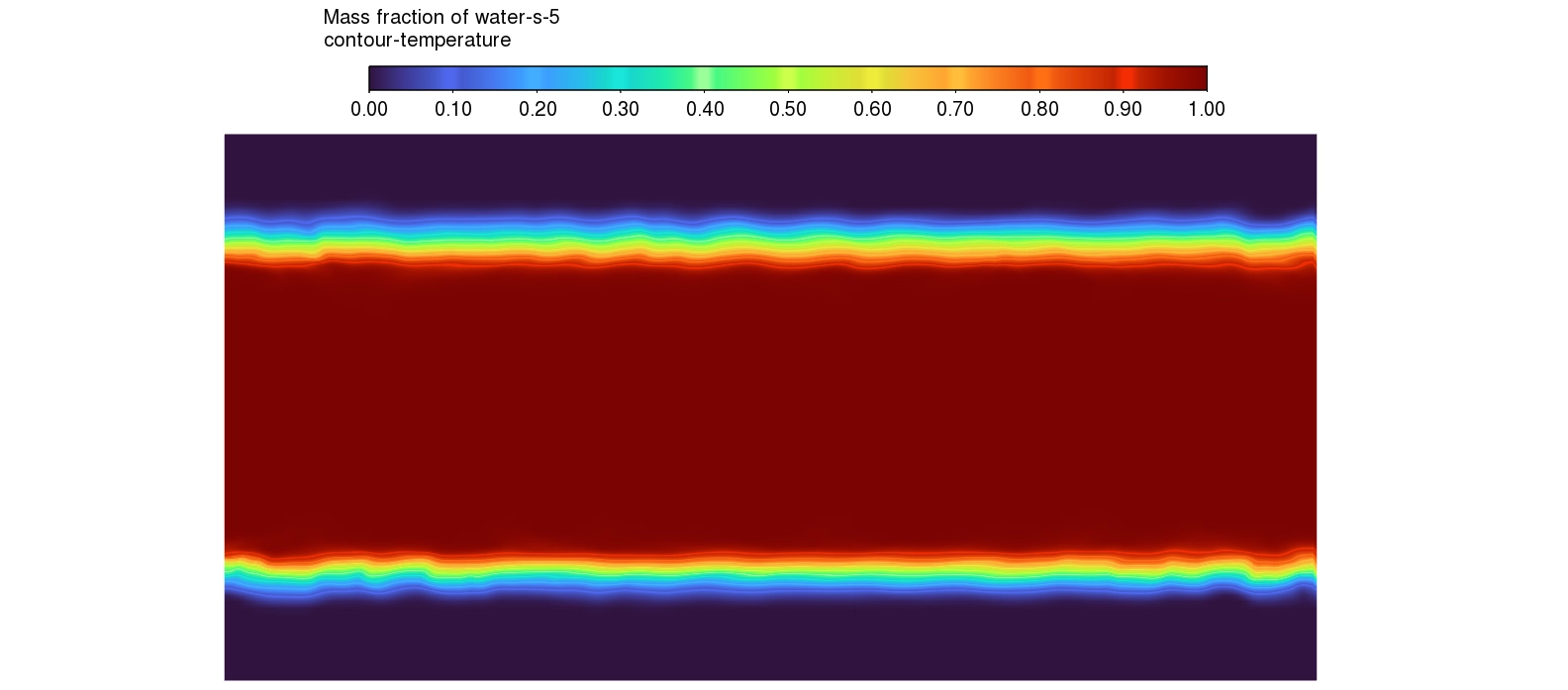
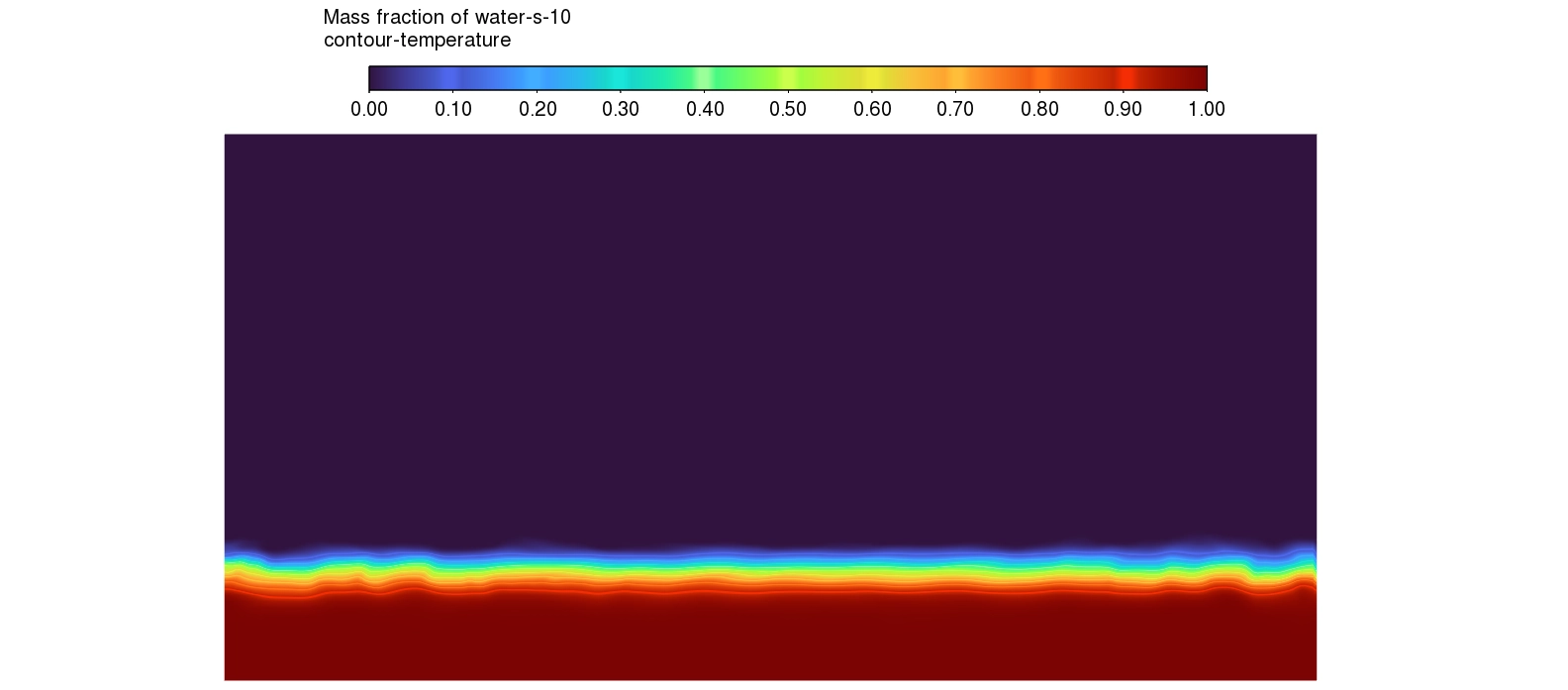
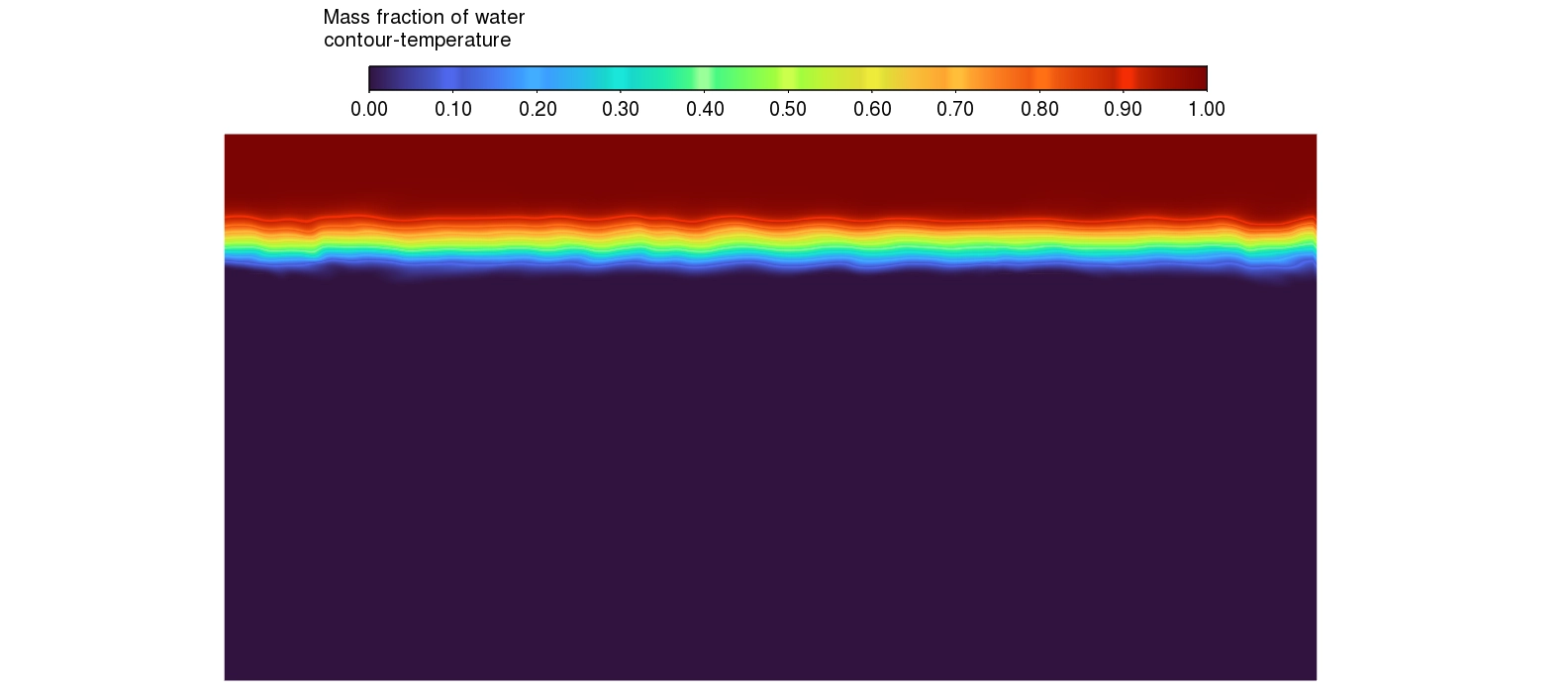
To model the salt layers, we used the Species Transport model in ANSYS Fluent. This model allows us to mix different fluids. We defined three mixtures: pure water (0% salt), water with 5% salt, and water with 10% salt. Each fluid has a different density. We used a Transient Solver (time-dependent) because the pond changes over hours. The simulation calculates how salt moves (diffusion) and how heat moves (convection). This coupled physics is called Double-Diffusive Convection. We “patched” the zones at the start: pure water at the top, 5% salt in the middle, and 10% salt at the bottom. The solar pond fluent simulation then calculates how these layers interact and stabilize over time.
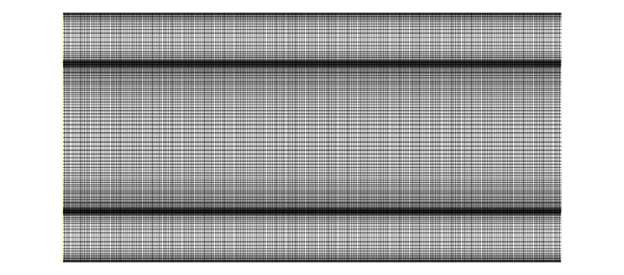
Figure 2: 2D Structured Computational Grid with 38,920 cells, showing mesh refinement near the top and bottom walls to capture boundary layer physics in ANSYS Fluent.
Post-processing: Thermal Stratification and Stability Analysis
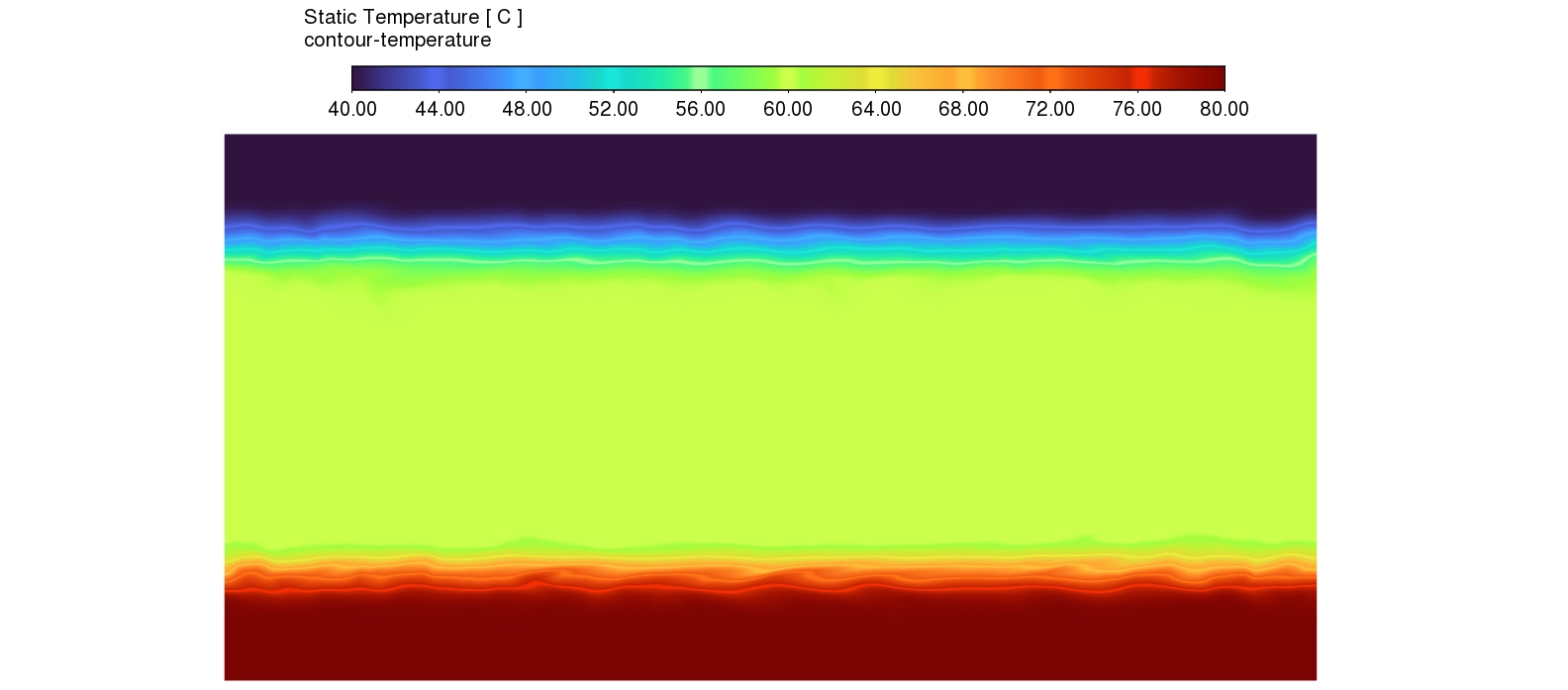
This section analyzes the engineering data to understand if the solar pond works efficiently. We interpret the contours to give advice to the designer or manufacturer. First, we analyze the Static Temperature Contours in Figure 3. The simulation shows a perfect result. The bottom zone (LCZ) is effectively trapping heat. The temperature here reaches 76-80°C. This is the “storage zone.” The heat cannot escape because of the layer above it. In the middle zone (NCZ), we see a smooth transition from yellow to green. This proves that the thermal insulation is working. The temperature drops from 76°C to 52°C in this middle layer. Finally, the top zone (UCZ) is cool (40-48°C). This result confirms that the pond design can successfully store high-grade heat. The 10% salt concentration is sufficient to keep the hot water at the bottom, which means the system is efficient for power generation.
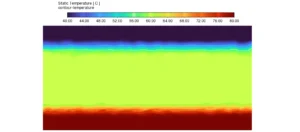
Figure 3: Static temperature distribution contours visualizing the thermal stratification, with the bottom storage zone reaching 80°C and the top surface at 40°C.
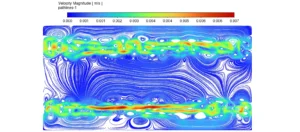
Figure 4: Velocity magnitude field with overlaid Pathlines, illustrating the active convection loops in the bottom storage zone and the stable, motionless middle insulation zone.
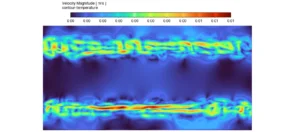
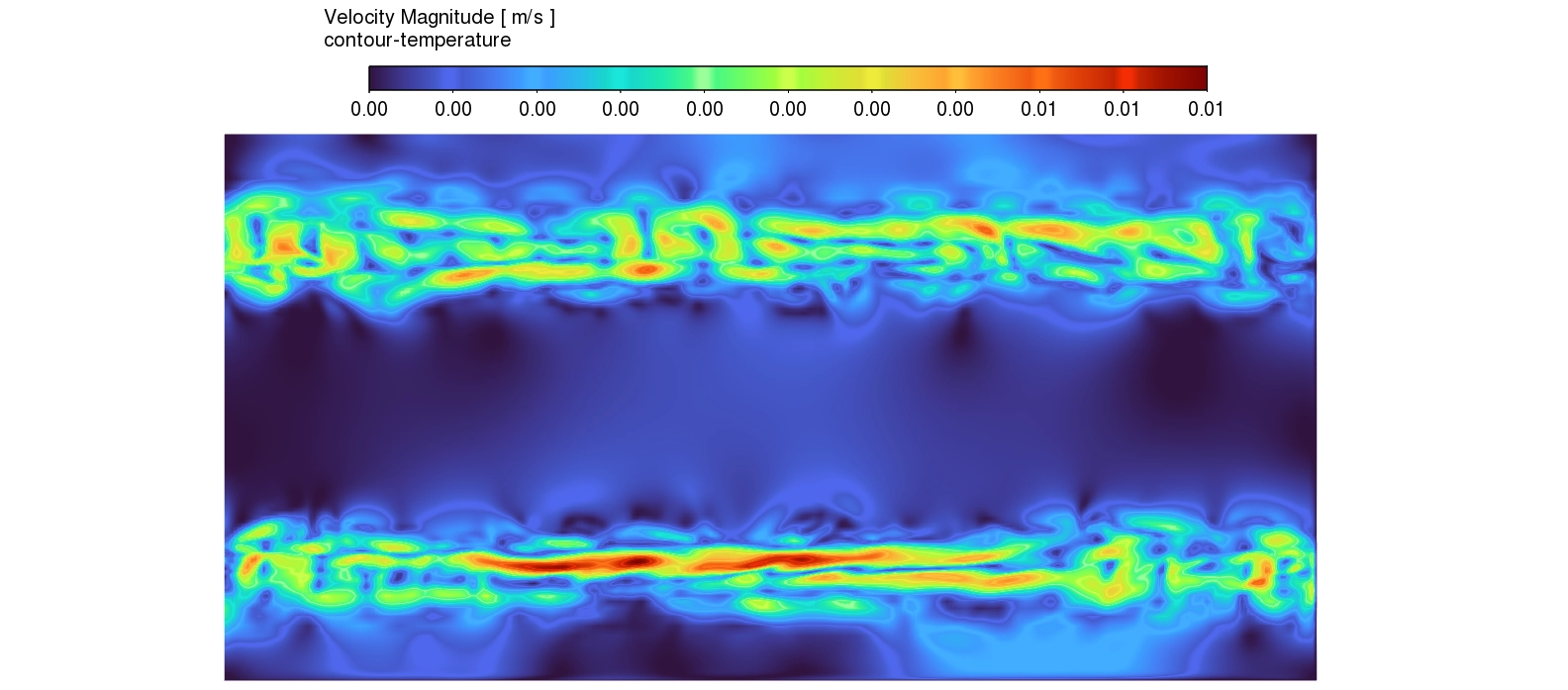
Figure 5: Velocity magnitude contours confirming low flow speeds (maximum 0.01 m/s) and the suppression of convection in the Non-Convective Zone (NCZ) due to the salinity gradient.
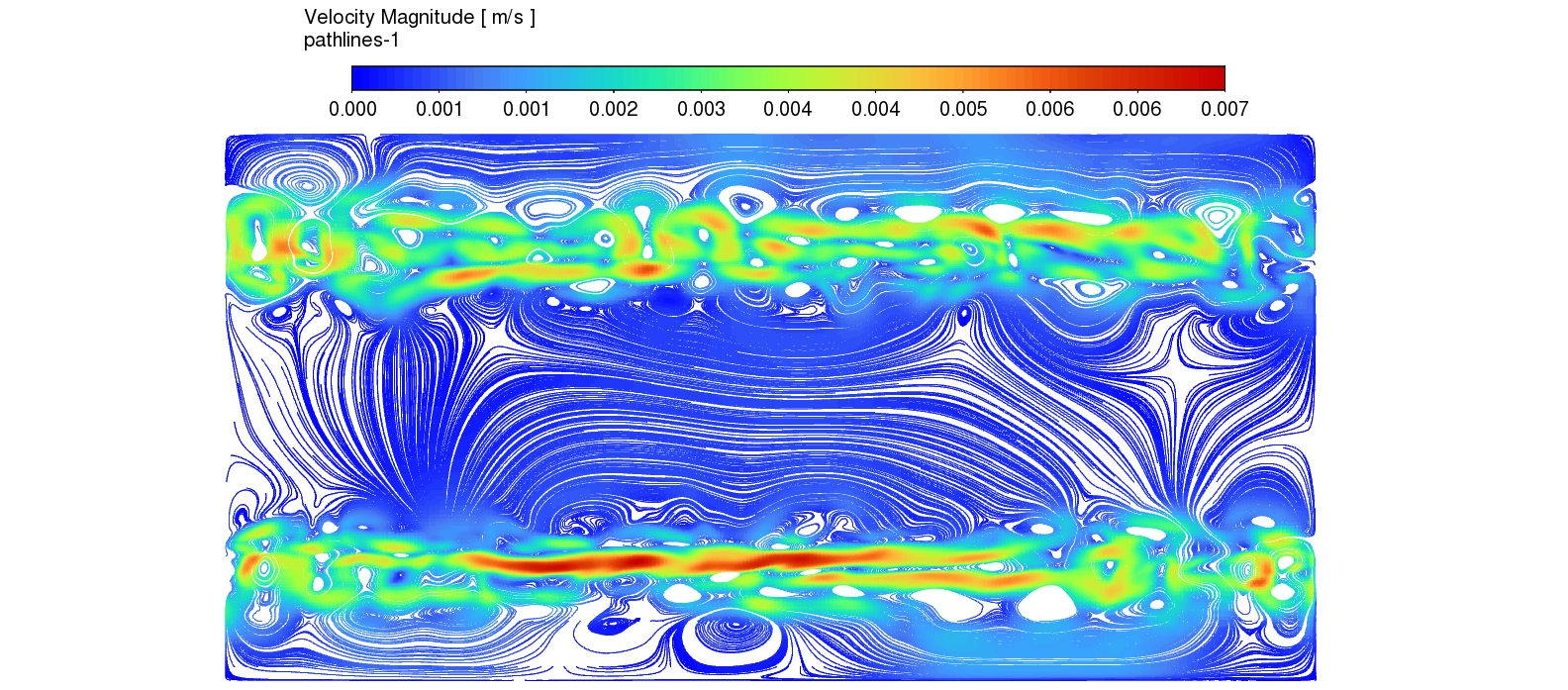
Next, we examine the Velocity Pathlines in Figure 4 and Velocity Magnitude in Figure 5. These images explain how the heat is trapped.
- LCZ (Bottom): We see active circular loops (pathlines). The velocity is around 0.007 m/s. This means the hot water is moving and mixing with itself, which is good for uniform storage.
- NCZ (Middle): This is the most critical finding. The velocity here is almost zero (0.000 m/s). The pathlines are flat.
- Engineering Insight: This lack of movement proves that the Salinity Gradient is Stable. The salt makes the water heavy enough to stop it from rising, even though it is hot. This “suppression of convection” is exactly what a designer wants. If there was vertical movement here, the heat would escape.
The CFD Analysis of solar pond demonstrates that the three-zone design is functioning correctly. The maximum velocity of 0.01 m/s confirms that the flow is dominated by natural convection and diffusion, not chaotic turbulence. The simulation verifies that the Non-Convective Zone (NCZ) acts as a perfect insulator. The manufacturer can confidently proceed with this depth and salt ratio, knowing that the physical prototype will maintain its temperature gradient and store energy effectively for long periods.




Reviews
There are no reviews yet.