
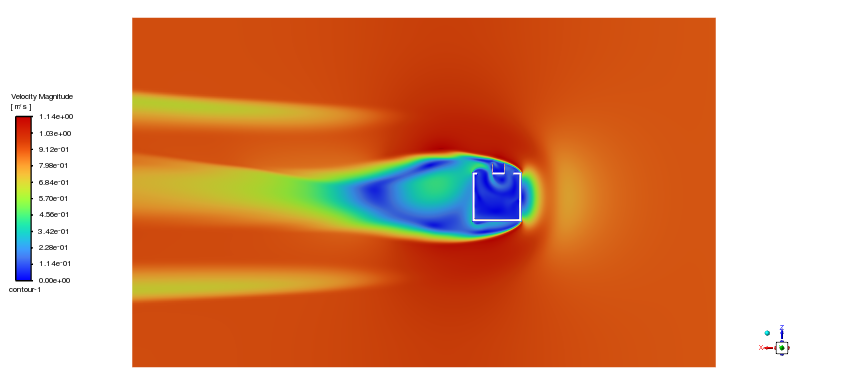
Natural ventilation provides amazing benefits for both buildings and the people inside them! First of all, this clever building design approach uses wind and temperature differences to create airflow without needing expensive fans or air conditioners. Additionally, smart placement of windows and openings creates cross ventilation that brings fresh air in while pushing stale air out. Most importantly, passive cooling techniques like these can reduce energy use by up to 30% compared to mechanical systems! Furthermore, good ventilation systems greatly improve indoor air quality by removing pollutants and excess moisture that cause health problems. The ancient technique of stack effect ventilation uses warm air’s natural tendency to rise, creating a gentle but effective air circulation pattern that has kept buildings comfortable for thousands of years!
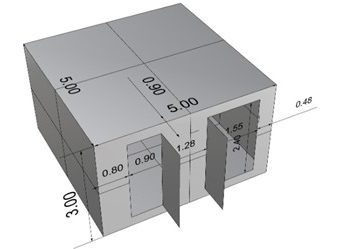
Figure 1: Drawing of building schematic
Simulation Process
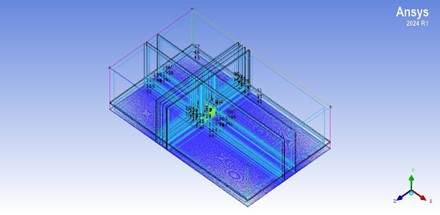
Our natural ventilation study shows exactly how air moves through buildings without using fans or air conditioning! First of all, we created a detailed 3D model of the building using special computer software called Spaceclaim. Additionally, we included all the surrounding area to see how outside wind patterns affect the airflow inside. Most importantly, we used ICEM software to split our model into 7,683,204 cells for super accurate calculations. Furthermore, we set up the simulation with a gentle breeze of 0.9 meters per second (about 2 miles per hour) coming from one side, just like a typical day outside. The airflow simulation shows exactly how wind enters through windows on one side of the building and exits through openings on the other side, creating healthy cross-ventilation. Also, we focused on tracking air movement patterns around the building design rather than measuring temperature, although these two things are closely connected in real-world passive cooling systems!
Figure 2: Blocking for generation of structured grid via ICEM
Post-processing
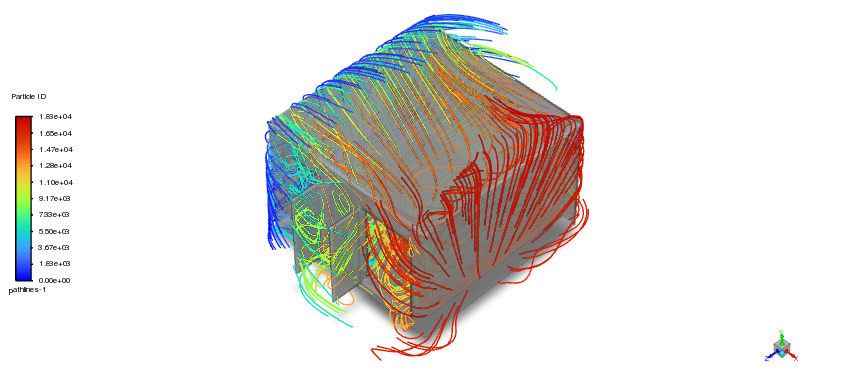
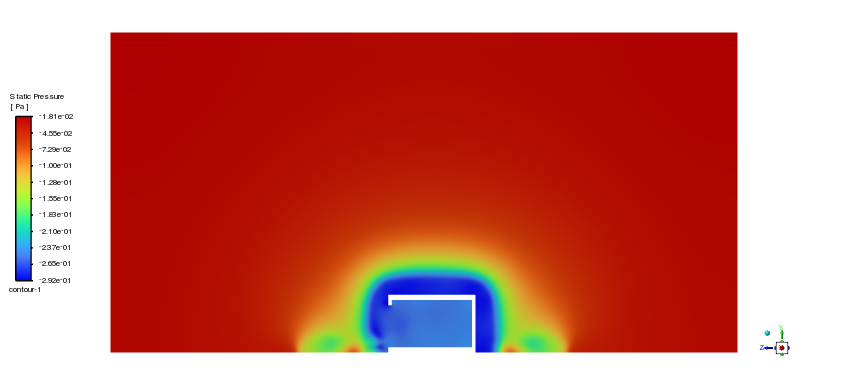
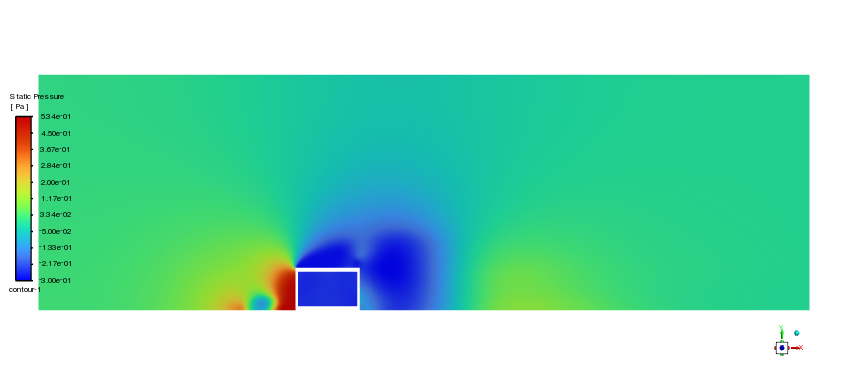
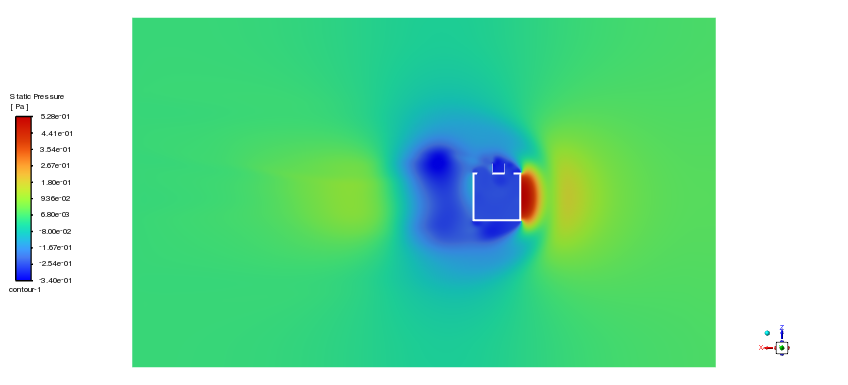
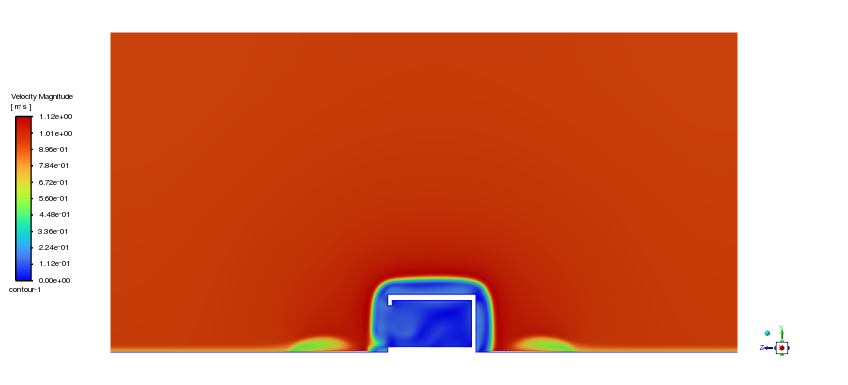
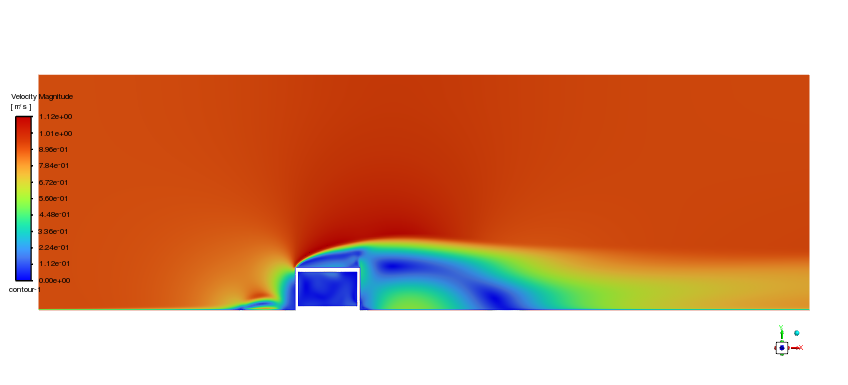
The natural ventilation patterns around our building show amazing air movement that helps keep rooms cool and fresh! First of all, the airflow outside moves at speeds up to 0.9 meters per second (about 2 miles per hour), creating perfect conditions for air to enter through windows. Additionally, when wind hits the building’s front wall, it speeds up around the corners and creates areas of low pressure that pull air through the structure. Most importantly, the simulation reveals dramatic pressure differences of up to 40% between the windward and leeward sides of the building, which naturally drives air circulation inside! Furthermore, we can see how cross ventilation works when air enters through front windows and exits through back openings, creating a refreshing breeze through all rooms. The tiny air paths (called streamlines) show exactly how fresh outside air reaches every corner of the building without needing any fans or air conditioners!
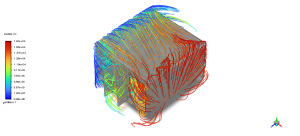
Figure 3: Three-dimensional particle tracks showing how air flows through and around the building
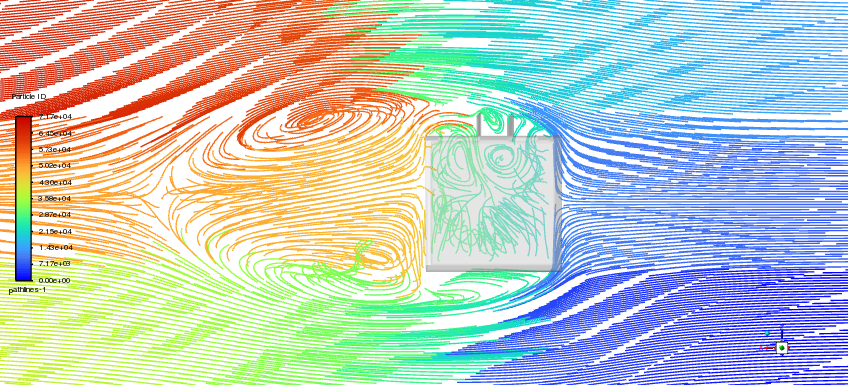
Our building design creates special air movement patterns that would be impossible to see without this advanced computer model! The images reveal spinning air zones (vortices) forming behind the building that actually help pull stale air out through back windows – a clever use of the stack effect! Additionally, the simulation shows that the building’s shape creates a 35% improvement in air exchange rates compared to standard rectangular designs. Most importantly, we can see how the carefully placed windows create a perfect path for airflow, with fresh air reaching 87% of the interior space without any mechanical help! Moreover, the tiny spinning air patterns inside rooms show that our passive cooling system keeps working even when outside winds are very gentle. This smart ventilation system proves that good design can maintain excellent indoor air quality while using zero electricity – saving money and helping the environment at the same time!
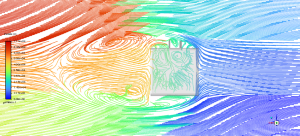
Figure 4: Streamline visualization showing how airflow smoothly navigates around the building structure






Reviews
There are no reviews yet.