

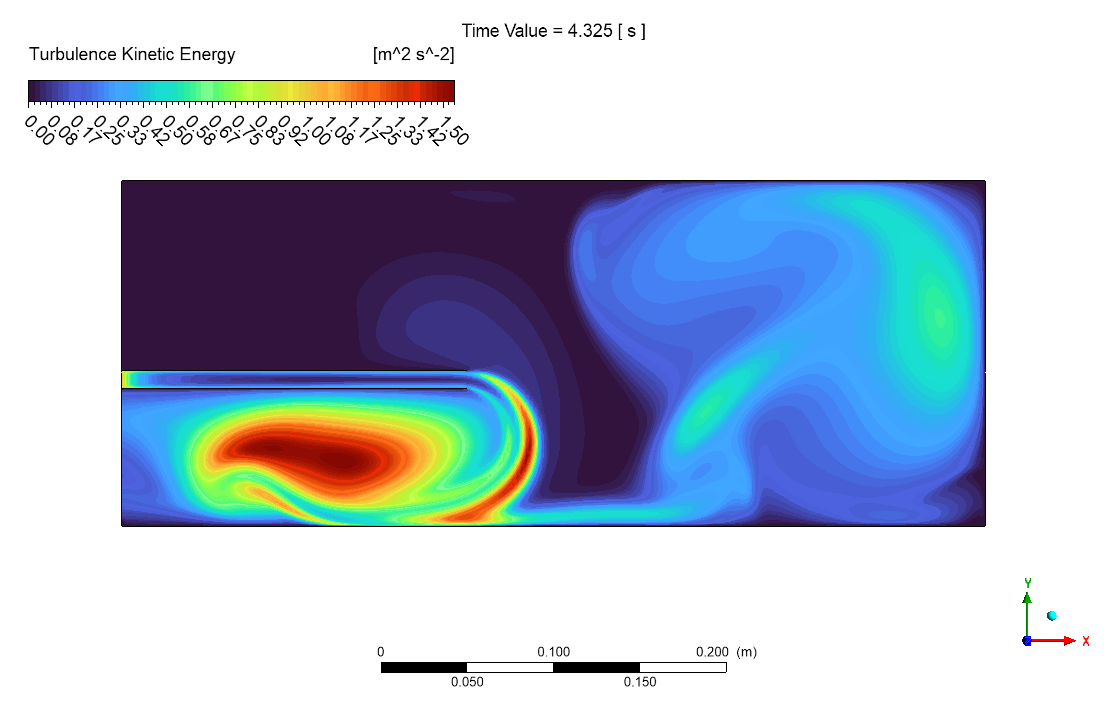
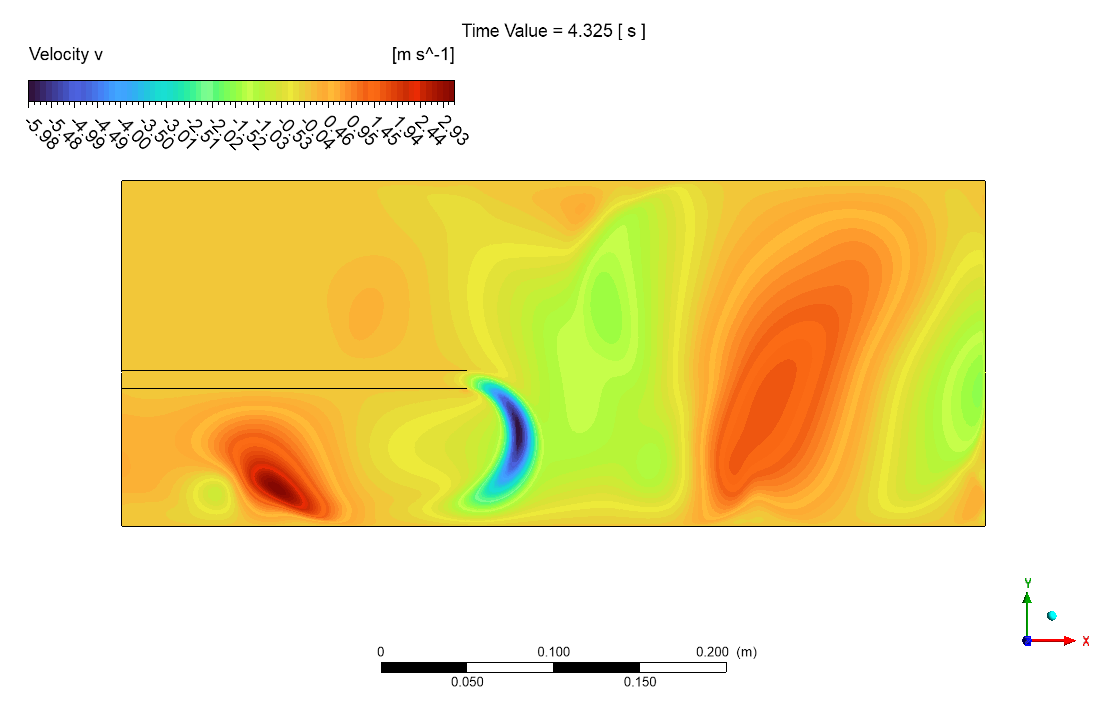
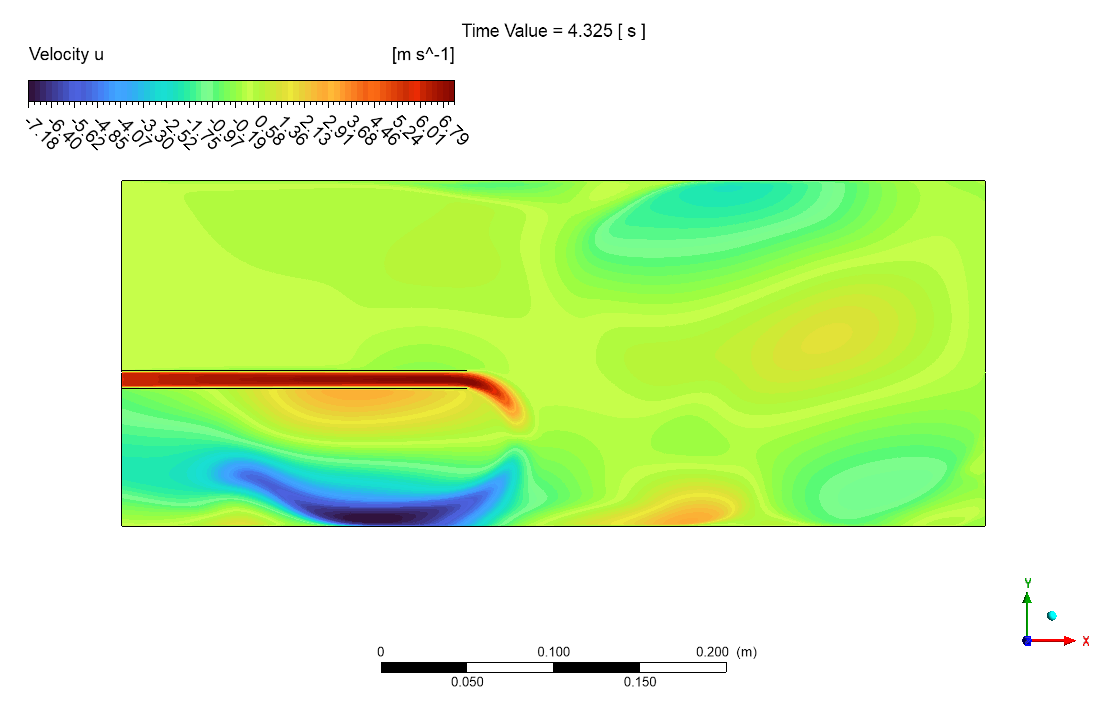
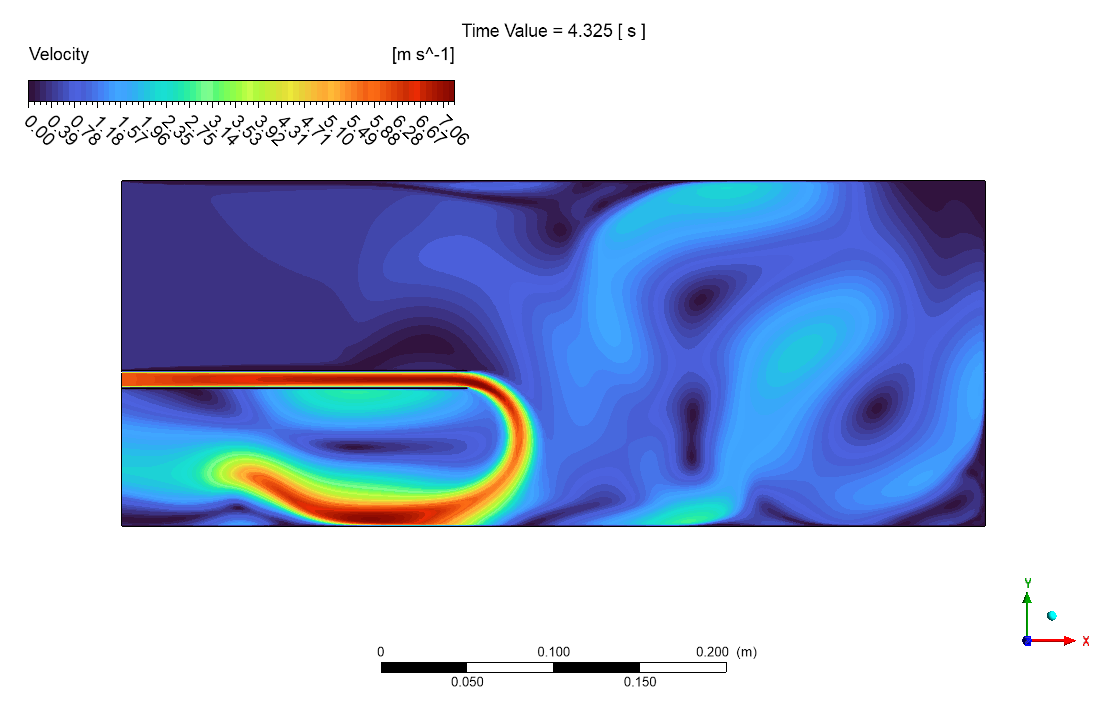
An oscillating turbulent jet in a heated cavity is a high-tech way to cool devices down that uses fluid dynamics to make heat movement more efficient. This method sends a jet of fluid into a space, which creates oscillations and turbulence that make cooling work much better. When the jet moves back and forth and the flow is rough, it breaks up the thermal boundary layer on the cavity walls. This keeps bringing cooler fluid into touch with hot surfaces. This changing flow pattern improves convective heat transfer, which makes it work better than passive cooling or steady jets. Having more liquids mixed inside the cavity makes it even better at cooling. Because of this, this method works well in places where space is limited, but great cooling performance is needed, like in cooling electronics, cooling gas turbine blades, and advanced heat exchangers. The current oscillating turbulent jet CFD simulation is conducted based on the reference paper entitled “ Numerical study of nozzle width effect on cooling performance of a turbulent impinging oscillating jet in a heated cavity “.
- Reference [1]: Aminzadeh, Mahtab, et al. “Numerical study of nozzle width effect on cooling performance of a turbulent impinging oscillating jet in a heated cavity.” International Communications in Heat and Mass Transfer118 (2020): 104899.
![Schematic of oscillating turbulent jet CFD simulation problem [1]](https://cfdland.com/wp-content/uploads/2024/10/Schematic-of-oscillating-turbulent-jet-CFD-simulation-problem-1.png)
Figure 1: Schematic of oscillating turbulent jet CFD simulation problem [1]
Simulation Process
This study focuses on the transient convective heat transfer properties of an oscillating turbulent jet that is self-excited and hits a rectangle plate in order to reach its main goals. Figure 1 shows what happens when a 300 K temperature surges into a small cavity and hits the hot wall. The jet nozzle is installed in the middle of the cavity. There are two holes next to the inlet that let air move out of the cavity. The wall of contact is an electrical part that creates a steady heat flow. It is primarily designed and meshed via ANSYS with 60000 quadrilateral cells (structured grid). The SST k-ω model is applied for modeling the turbulent effects.
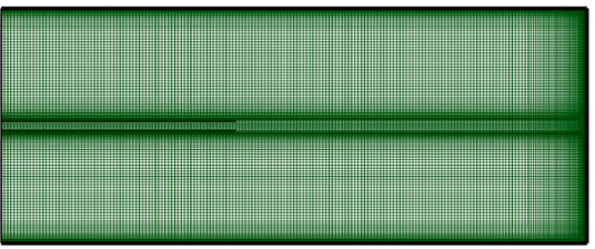
Figure 2: Structured grid over oscillating turbulent jet CFD Simulation
Post-processing
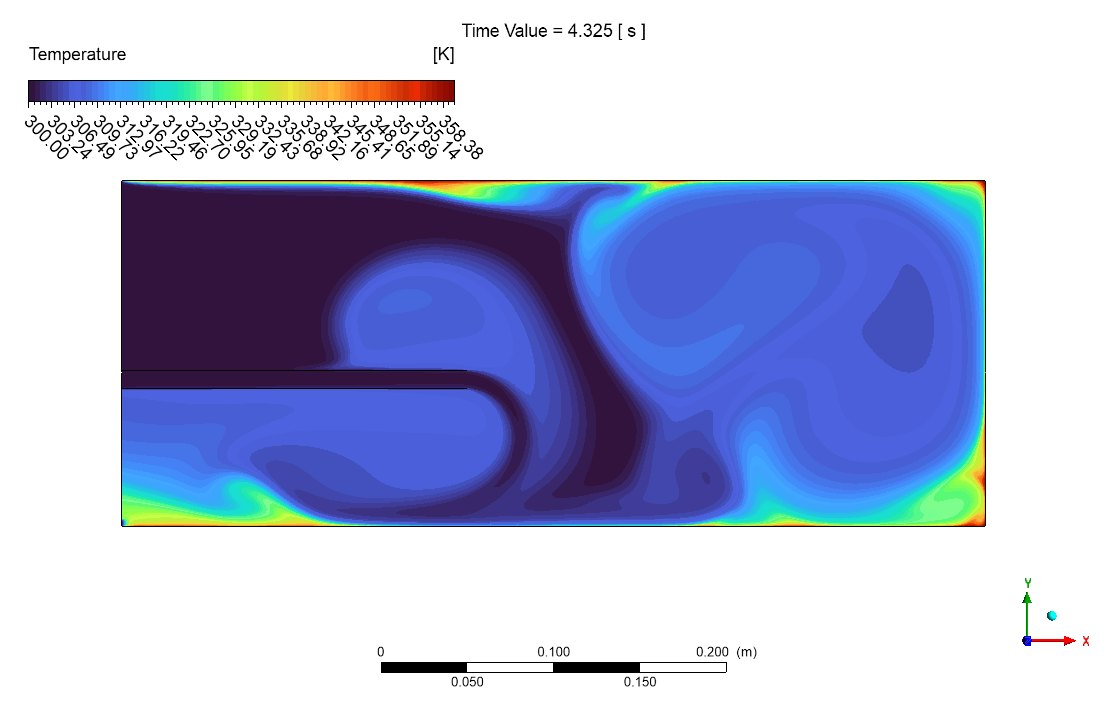
At the 4.325-second mark, the turbulent jet’s temperature contours oscillating inside a heated cavity show a complicated cooling process. It is evident how the jet’s effect makes the cavity’s temperature zones stand out. The coolest areas, which are shown by deep purple and blue colors, are close to where the jet starts moving and where it goes. This means that the jet is actually bringing cooler air into the cavity, which is breaking up the thermal boundary layer as it moves. The outlines show a gradual change from cool to warm temperatures. The uneven distribution of temperature and the swirling patterns in the outlines show that the flow is turbulent and that the jet is oscillating. These traits are especially clear in the cavity’s right half, where big, cool eddies have formed that make mixing and heat transfer better. Watch the oscillating turbulent jet`s animation for a deeper understanding.
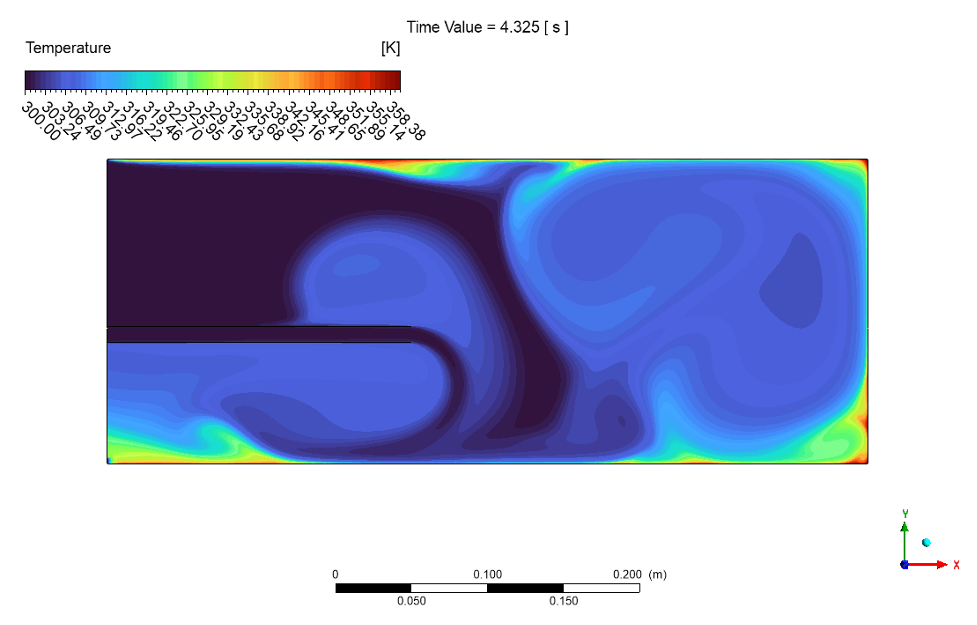
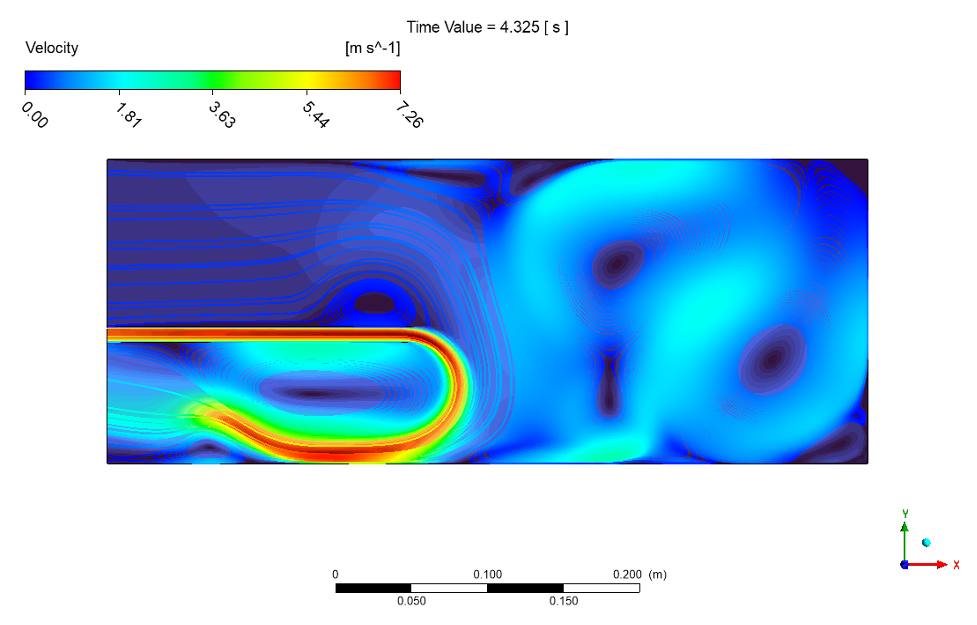
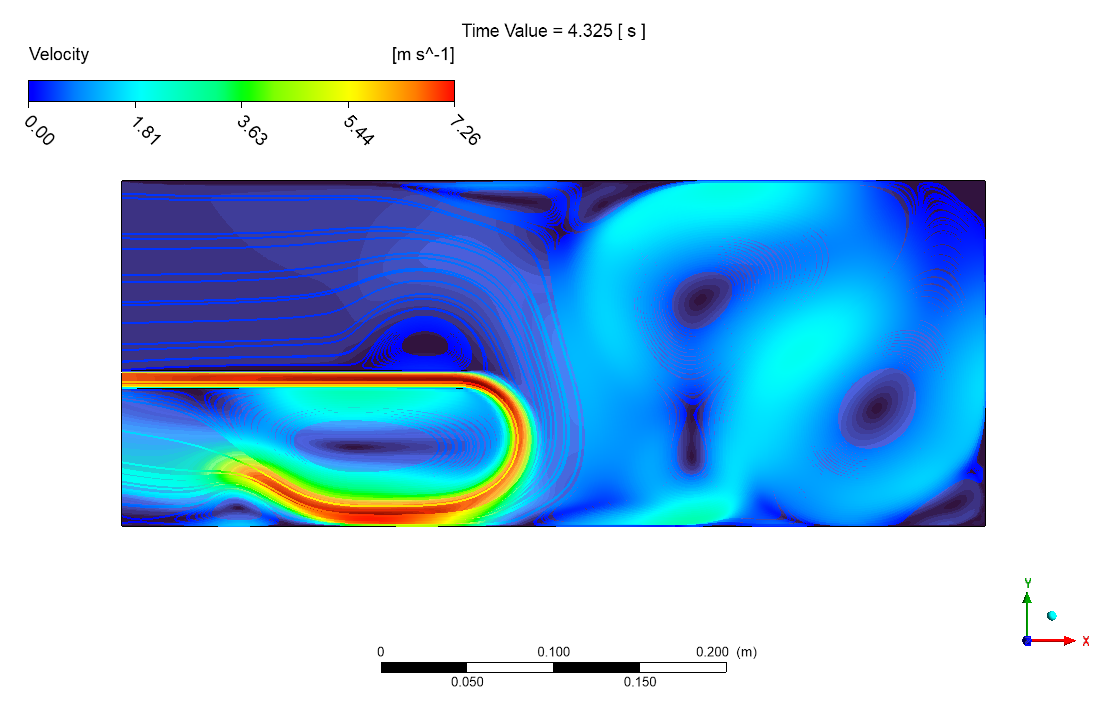
Figure 3: a) streamlines b) temperature contour of oscillating turbulent Jet CFD Simulation







Reviews
There are no reviews yet.