

The human eye operates as a brilliant biological machine. A clear fluid called aqueous humor fills the small space behind your cornea. This liquid constantly circulates and pushes against the colorful iris. Maintaining a safe balance here is critical for human health. High fluid pressure can cause severe diseases like glaucoma, leading to permanent vision loss over time. Following the foundational research by Wang et al. (2016) regarding fluid-structure coupling inside the eye, we can study this delicate biological system virtually.
The objective of this project is to use ANSYS Fluent to predict the internal fluid behavior and calculate the resulting structural bending of the iris tissue. By mapping these invisible forces, engineers can design safer, more reliable artificial lenses and medical treatments.
- Reference [1]: Wang, Wenjia, et al. “Fluid and structure coupling analysis of the interaction between aqueous humor and iris.” Biomedical Engineering Online15 (2016): 569-586.
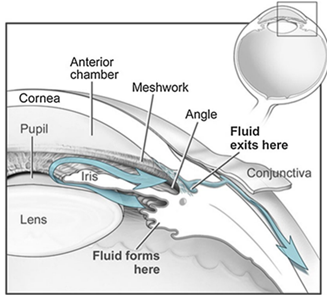
Figure 1: The schematic of the human eye detailing the anatomical position of the aqueous humor and iris. [1].
Simulation Process: 1-Way Fluid-Solid Interaction Setup
We construct a digital model of the anterior chamber using a realistic cornea thickness of 0.5 mm. To capture the biological physics, we rely on a 1-way fluid-solid interaction approach. The moving fluid pushes against the solid tissue, but the resulting structural movement is too small to alter the main fluid path. Therefore, a full 2-way feedback loop is unnecessary. The CFD solver maps the fluid forces. It sends this pressure data directly to the mechanical solver. The mechanical solver applies that load to the springy iris material to measure the physical strain. Learning these biological mechanics is a core focus of our biomedical CFD projects and our broader fluid-structure interaction tutorials.
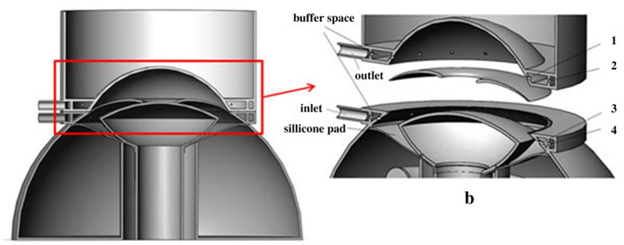
Figure 2: The 3D geometric model of the experimental simulation device used for fluid analysis. [1].
Post-processing: Velocity Swirls, Pressure, and Iris Bending
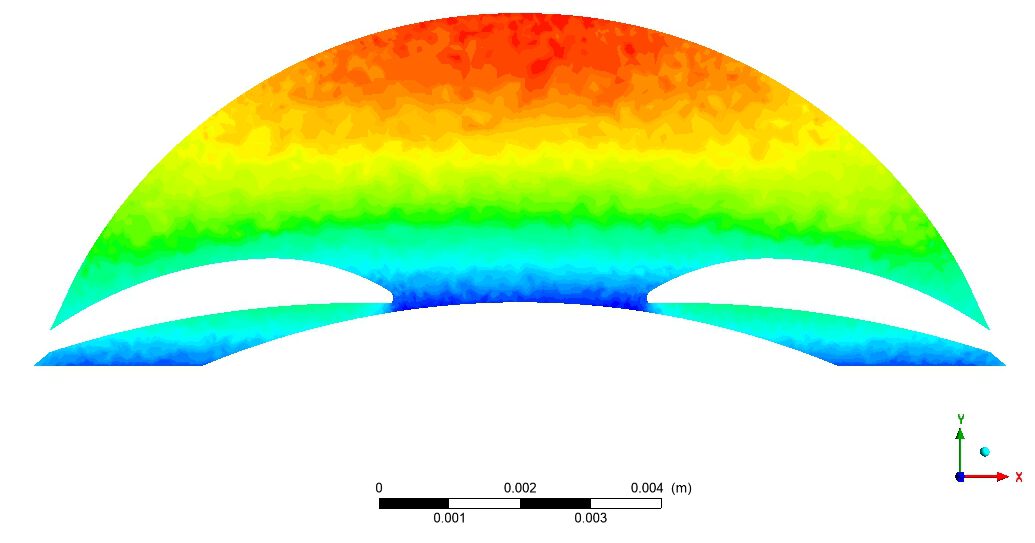
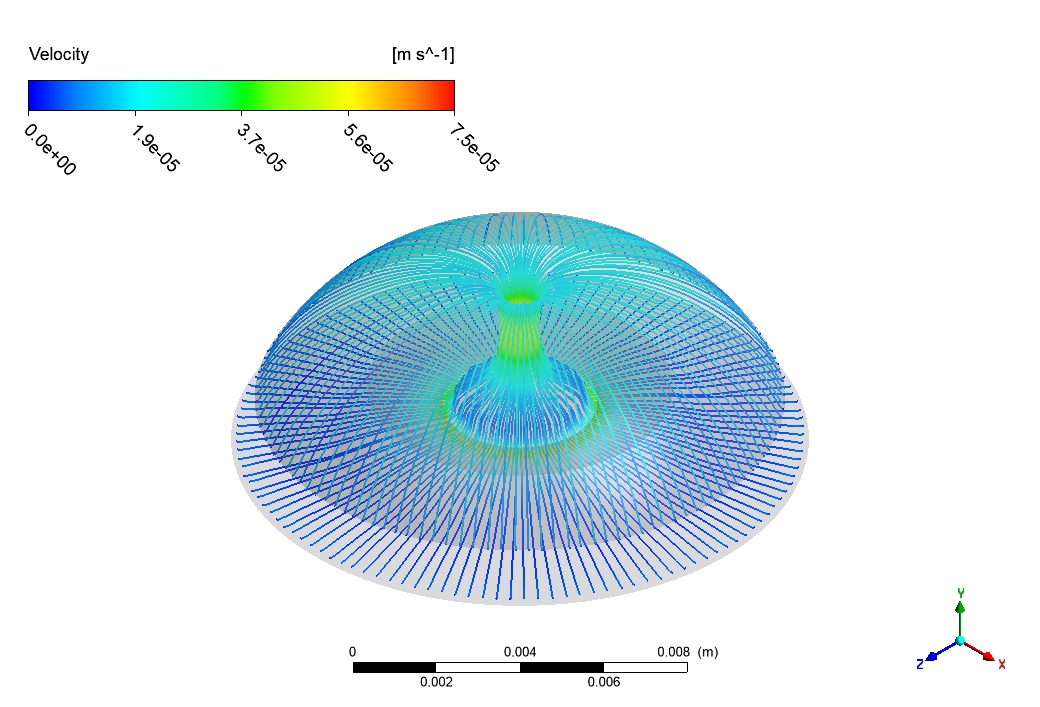
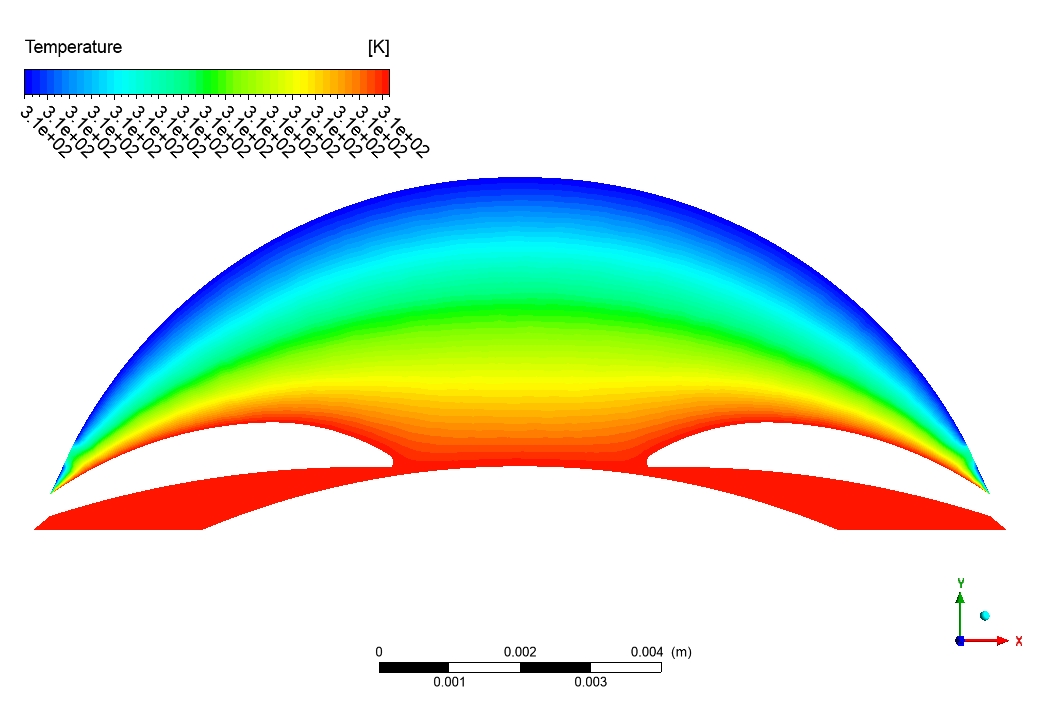
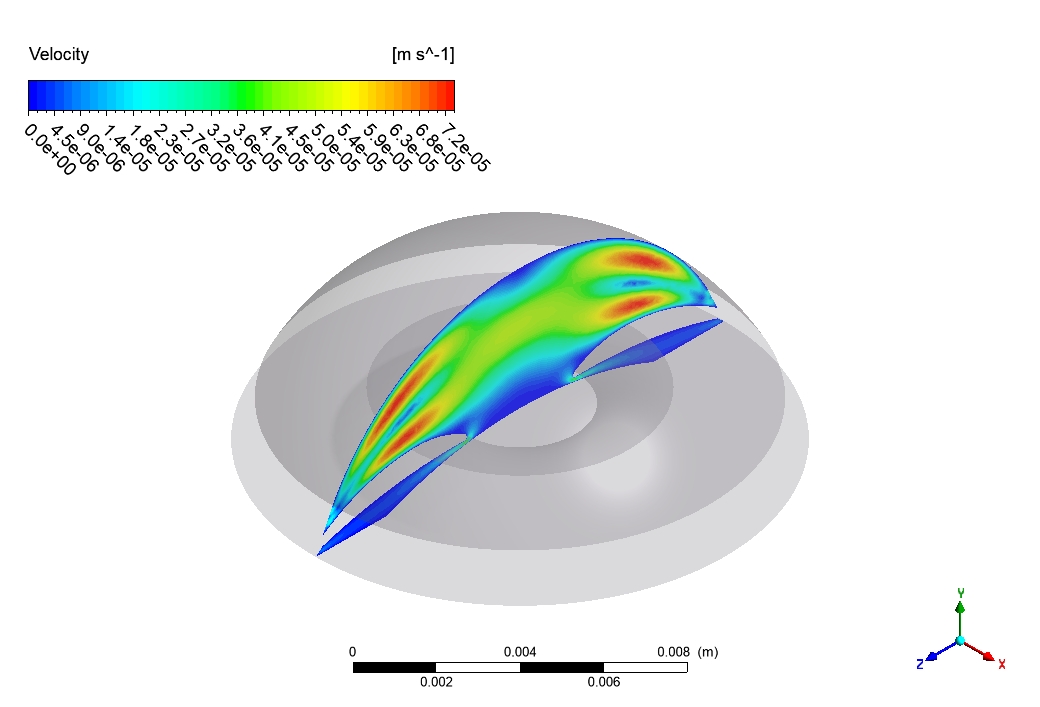
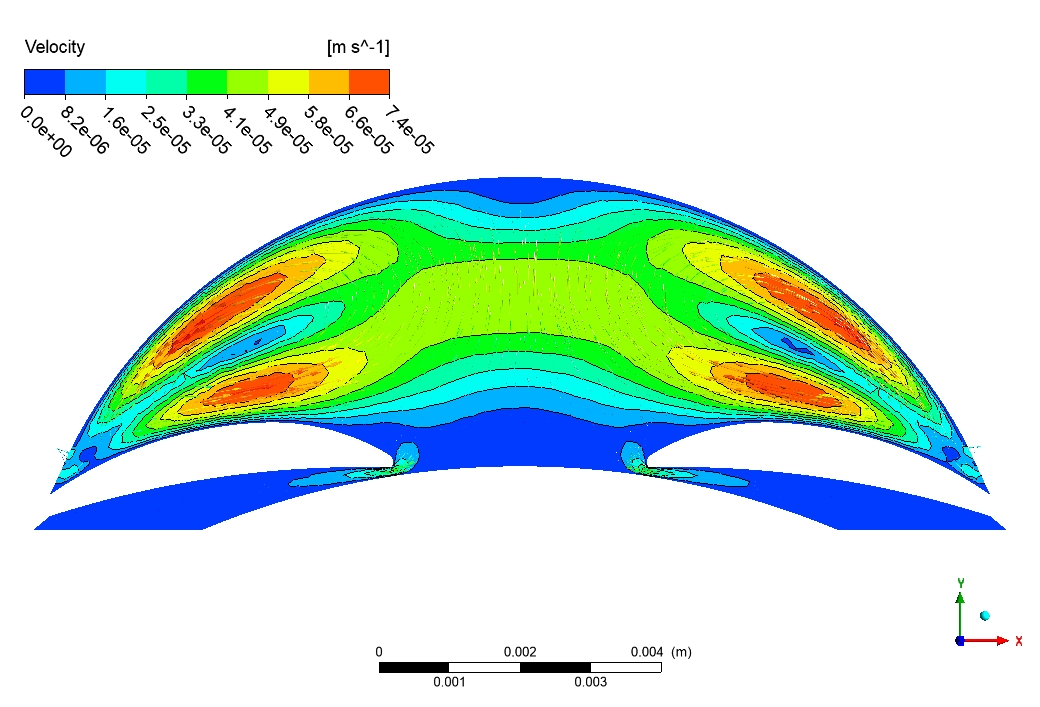
The internal fluid creates a complex physical environment. The velocity contour reveals that the aqueous humor does not simply drop straight down through the chamber. It forms swirling vortices. The liquid flows very slowly, reaching a peak speed of 0.0000745 m/s in the red zones. These gentle, circulating swirls are vital for human health because they carry required nutrients to delicate tissues lacking blood vessels. This continuous swirling fluid generates a distinct pressure gradient across the curved chamber. The pressure contour maps a heavy fluid load at the top of the eye, peaking at 3,640 Pa. The load drops steadily toward the bottom edge, settling down to 3,370 Pa. This creates a healthy, functional pressure difference of 270 Pa to keep the fluid moving properly.
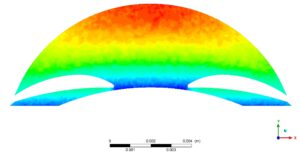
Figure 3: The pressure distribution highlighting the required gradient for healthy fluid circulation.
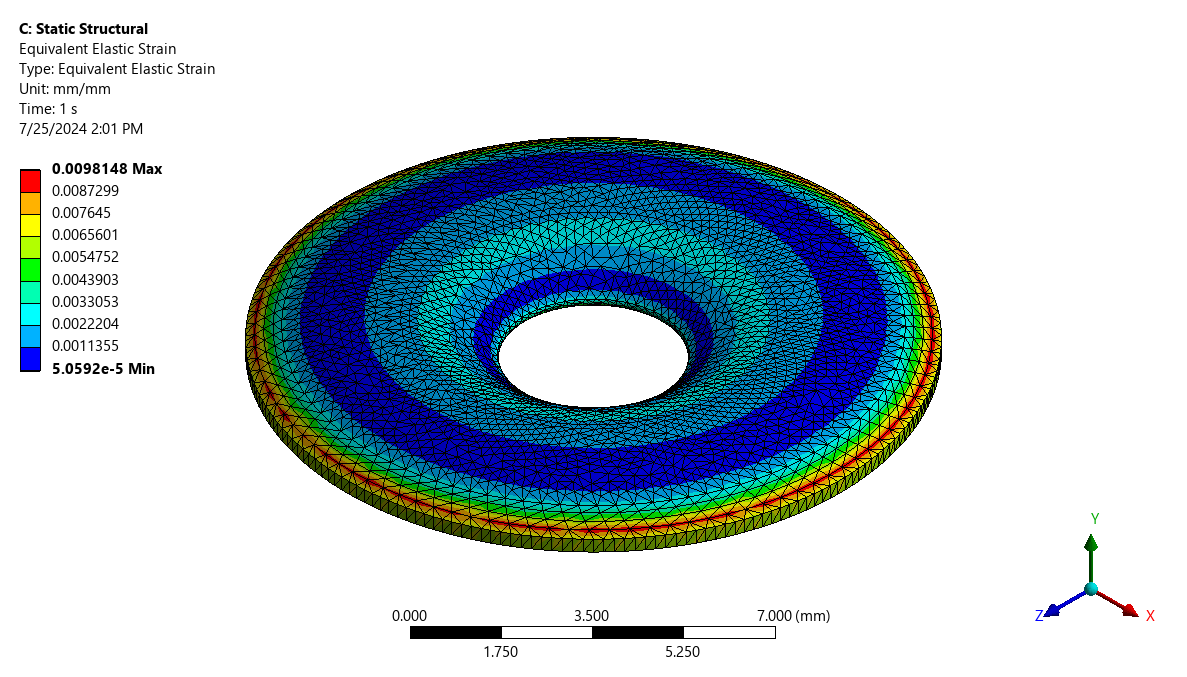
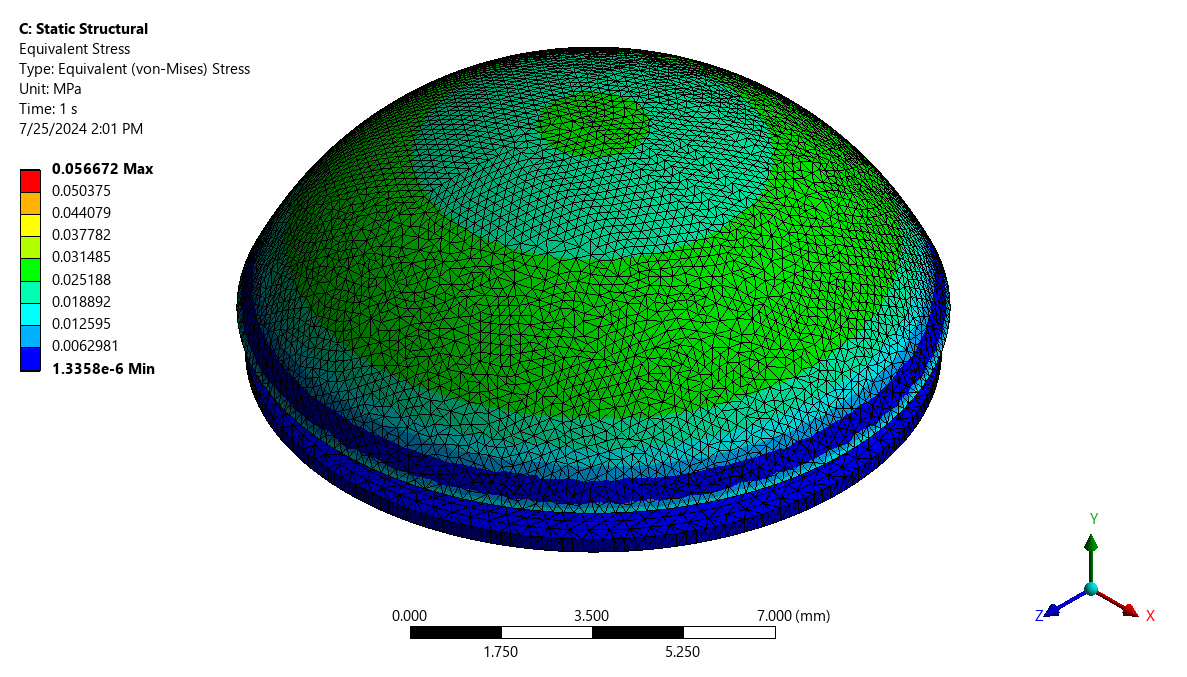
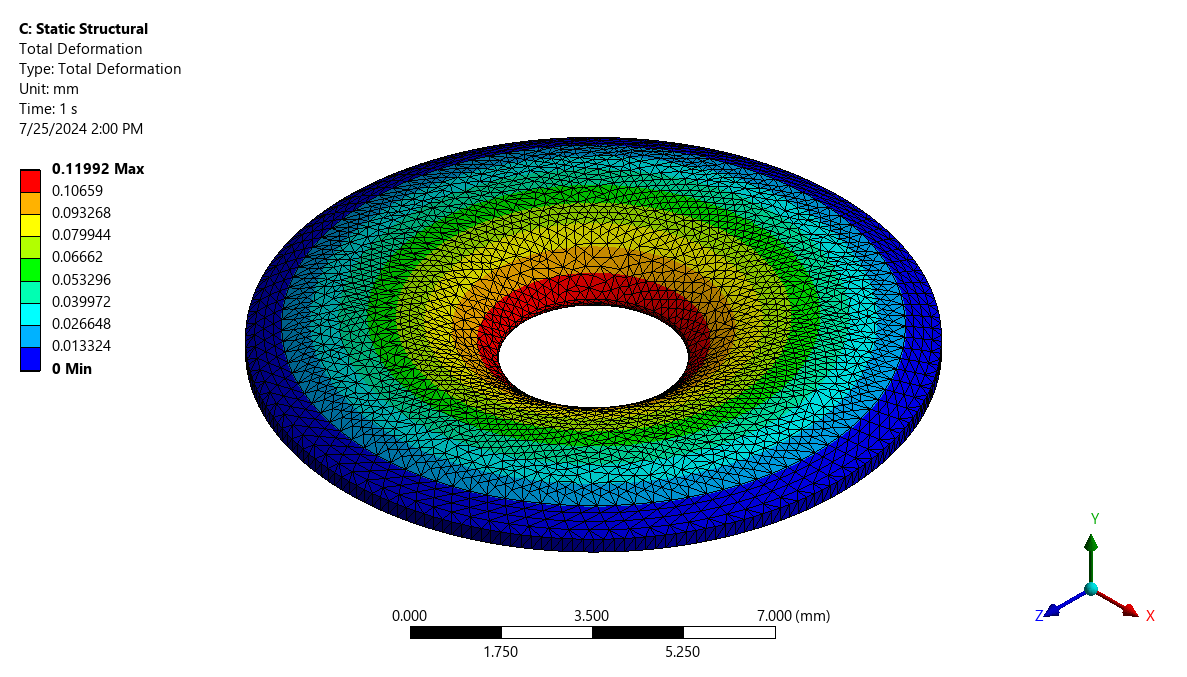
This varying fluid load pushes directly against the iris tissue. We capture the biological response in the total deformation contour. The outer edge of the circular iris is firmly attached to the main eye wall, remaining dark blue with 0 mm of movement. The free inner ring near the pupil absorbs the highest fluid force. This inner edge yields to the pressure, bending outward to a maximum displacement of 0.11992 mm. This constant, microscopic flexing proves how the biological tissue adapts safely to the circulating fluid pressure with every single heartbeat.
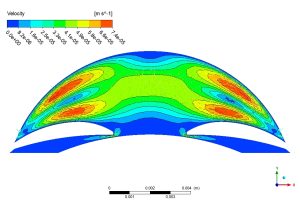
Figure 5: The velocity field of the aqueous humor capturing slow, circulating vortices inside the dome.
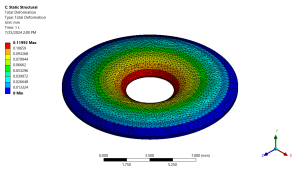
Figure 5: The structural deformation map proving the inner edge of the iris bends slightly under fluid load.
FAQ About Biomedical CFD and Eye Simulation
- Why does the aqueous humor form swirling patterns?
- The curved geometry of the cornea forces the fluid to circulate rather than fall straight down. These slow vortices are necessary to distribute nutrients to parts of the eye that do not have active blood flow.
- What is the pressure drop inside a healthy human eye?
- The simulation records a peak pressure of 3,640 Pa at the top and 3,370 Pa at the bottom. This results in a difference of 270 Pa, which matches healthy clinical observations.
- How far does the iris bend under normal fluid pressure?
- The mechanical solver shows the outer edge remains fixed at 0 mm, while the unsupported inner pupil edge bends to a maximum of 0.11992 mm.







Reviews
There are no reviews yet.